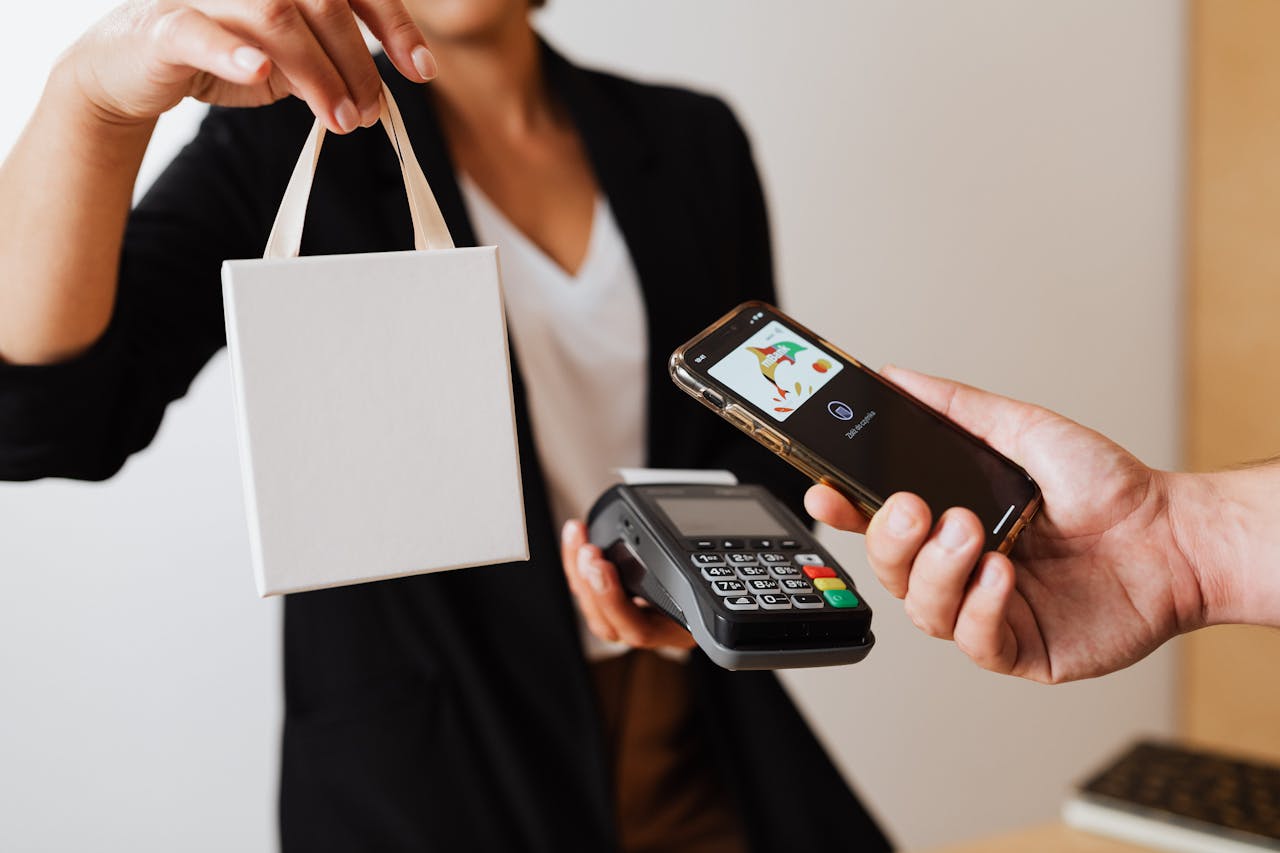
Comprehensive data compiled from extensive research on loyalty program performance, customer behavior, and points expiration management strategies
Key Takeaways
- Billions in customer value goes unredeemed annually - US consumers miss out on an estimated $10 billion in savings from expired and unredeemed loyalty points, with 26.2% of all points going unspent across programs
- Points expiry directly damages purchase behavior - 56% of shoppers changed or abandoned a purchase when they realized their points had expired, demonstrating clear revenue impact from poor expiration management
- Customer frustration runs high around expiring points - 41.1% of customers report frustration with expiring points, while 49.1% say it takes too long to earn meaningful rewards in the first place
- Breakage rates vary significantly by industry - CPG retailers typically see 20-30% breakage rates while B2B and travel industries experience 70-85%, indicating expiration policies require industry-specific calibration
- Market momentum favors well-designed programs - 43.2% of consumers are more likely to join a loyalty program than last year, creating opportunity for brands with modern, customer-friendly expiration policies
- Redemption activity indicates program health - 50% of all loyalty rewards are redeemed on average across programs, while healthy programs maintain 20-30% active redemption rates in any given period
- The US loyalty market represents massive investment - Valued at approximately $27 billion annually, demonstrating the scale of brand investment in retention programs and the importance of effective points management
Market Size and Points Liability Impact
1. US consumers lose $10 billion annually from unredeemed and expired loyalty points
American consumers miss out on an estimated $10 billion in savings each year from loyalty points that go unredeemed or expire before use. This represents a massive failure in value delivery—brands issue points intending to drive engagement, but poor program design prevents customers from capturing the promised value. For Shopify Plus brands running loyalty programs, this statistic highlights the importance of implementing automated expiry reminders and intuitive redemption flows that ensure customers actually use their earned rewards. Source: Business Wire
2. 26.2% of all loyalty points go unspent across programs
More than a quarter of all loyalty points issued never get used by customers. This unspent balance represents both a customer experience failure and a liability management challenge for brands. Points sitting unused don't drive repeat purchases or deepen customer relationships—they simply accumulate until expiration. Brands using platforms with built-in expiration reminder workflows can convert these dormant points into active engagement before value is lost. Source: Fashion Network
3. The US loyalty market is valued at approximately $27 billion annually
The American loyalty market represents roughly $27 billion in annual value, demonstrating the scale of investment brands make in retention programs. With this level of market activity, points expiration policies directly impact billions in consumer value and brand liability management. Shopify Plus brands operating in this market need loyalty infrastructure that balances liability control with customer experience optimization. Source: Research and Markets
Customer Frustration and Behavioral Consequences
4. 41.1% of customers report frustration with expiring points
More than four in ten customers express frustration specifically about points that expire. This frustration doesn't exist in isolation—it damages brand perception and reduces program engagement. When customers feel penalized for not redeeming quickly enough, they disengage from the program entirely rather than accelerating their purchase behavior. Platforms offering flexible expiration rules and proactive communication can mitigate this frustration while maintaining reasonable liability management. Source: Morning Star
5. 56% of shoppers changed or abandoned a purchase when they discovered their points had expired
More than half of customers alter their shopping behavior negatively when confronted with expired points—either abandoning the purchase entirely or switching to a competitor. This statistic demonstrates the direct revenue cost of poorly communicated expiration policies. Points expiry intended to manage liability ends up destroying the very purchases it was meant to encourage. Automated expiry reminder workflows become essential for preventing this value destruction. Source: Code Broker
6. 49.1% of consumers say it takes too long to earn meaningful rewards
Nearly half of all loyalty program members feel the earning velocity is too slow to reach worthwhile redemption thresholds. When combined with expiration windows, slow earning rates create a frustrating dynamic—customers can't accumulate enough points before expiration deadlines arrive. This compounds the expiry problem by ensuring points expire not from inactivity but from program design that makes redemption mathematically difficult to achieve. Source: Le Lezard
7. 38.9% of shoppers find loyalty rewards unattractive
Nearly 39% of customers view available rewards as unappealing, reducing motivation to redeem before expiration. When redemption options don't excite customers, points accumulate unused until they expire—not from customer negligence but from program failure to offer compelling value. Brands with diverse redemption options including discount codes, store credit, free products, and free shipping see higher pre-expiration redemption rates. Source: Fashion Network
8. 70% of rewards credit cardholders are sitting on unused cashback, points, or miles
Seven in ten rewards cardholders have unredeemed value sitting in their accounts. This dormancy rate indicates that expiration isn't primarily a customer laziness problem—it's a redemption friction problem. When redemption requires effort, customers procrastinate until expiration arrives. Platforms integrating points directly into checkout flows reduce this friction by making redemption effortless at the moment of purchase. Source: LendingTree
Redemption Rates and Activity Metrics
9. 50% of all loyalty rewards are redeemed on average across programs
Half of all loyalty rewards get redeemed, leaving substantial room for improvement through better program design and communication. This 50% average masks significant variation—some programs achieve 70%+ redemption while others struggle below 30%. The gap between average and top performers represents addressable opportunity through expiration reminder automation, simplified redemption flows, and attractive reward options. Source: Queue-it
10. CPG retailers experience breakage rates between 20-30%
Consumer packaged goods retailers typically see 20-30% of issued points never redeemed. This breakage rate—while providing short-term liability relief—represents missed engagement opportunities. Each unredeemed point is a failed touchpoint that could have driven an incremental purchase. Brands accepting high breakage as normal leave significant revenue and relationship value unrealized. Source: Tada
11. B2B brands and travel industry see breakage rates as high as 70-85%
Business-to-business and travel loyalty programs experience dramatically higher breakage, with 70-85% of points expiring unredeemed. These elevated rates reflect longer purchase cycles and more complex redemption requirements. While some breakage is inevitable, rates this high indicate fundamental program design issues that prevent value delivery to customers. Source: Tada
12. 40% of rewards cardholders haven't redeemed any rewards in the past year
Four in ten rewards cardholders let an entire year pass without a single redemption. This annual inactivity rate creates prime conditions for mass expiration events that damage customer relationships. Proactive engagement through expiry warnings, balance reminders, and simplified redemption options can convert these dormant accounts into active participants before annual resets trigger point loss. Source: LendingTree
13. 15% of rewards cardholders have had rewards expire before they could use them
One in seven cardholders has personally experienced the frustration of watching earned rewards disappear. This isn't abstract program data—it's direct negative brand experience that influences future engagement. Once customers experience expiration, their trust in the program diminishes, reducing the likelihood they'll invest effort in earning future rewards. Source: LendingTree
Customer Behavior and Shopping Patterns
14. 81.8% of consumers use promotions at least a few times a month
Over 80% of customers engage with promotional offers multiple times monthly. This frequency creates multiple opportunities to surface expiring points alongside other promotional messages. Email marketing platforms integrated with loyalty data can dynamically include points balance and expiration status in promotional communications, converting routine marketing into retention touchpoints. Source: Business Wire
Retention and Loyalty Program Performance
15. 43.2% of consumers are more likely to join a loyalty program than last year
Customer appetite for loyalty programs is increasing, with over 43% more willing to join than in the previous year. This rising interest creates opportunity for brands launching new programs or improving existing ones. Meeting this demand with well-designed expiration policies—transparent, communicated, and customer-friendly—converts increased interest into sustainable engagement. Source: Business Wire
Why Points Expiration Management Matters for Your Shopify Brand
Points expiration sits at the intersection of liability management and customer experience—get it wrong, and you lose both money and trust. The data reveals that poor expiration policies create a cascade of negative outcomes: 56% of customers abandon purchases when discovering expired points, 41% feel actively frustrated by expiration mechanics, and 15% have personally experienced the sting of watching earned value disappear.
For Shopify brands, this isn't just about preventing customer frustration—it's about capturing the substantial revenue upside that proper expiration management enables. When customers successfully redeem before expiration, they engage more deeply with your brand, purchase more frequently, and become advocates rather than detractors.
Modern loyalty platforms like Rivo address these challenges through automated expiration reminders, flexible activity-based expiration windows, and seamless integration with Shopify checkout. By treating expiration as a customer engagement opportunity rather than purely a liability management tool, brands transform a potential pain point into a retention driver. The difference between the industry average 50% redemption rate and top-performing programs at 70%+ redemption comes down to thoughtful expiration policy design and proactive communication—both of which are now accessible to brands of all sizes through purpose-built loyalty infrastructure.
Frequently Asked Questions
Why do loyalty points expire in the first place?
Brands implement points expiration for two primary reasons: liability management and engagement motivation. Unredeemed points represent financial obligations on company balance sheets, and expiration provides a mechanism to manage this liability. Additionally, expiration theoretically creates urgency that motivates customers to engage and redeem. However, the data shows that poorly implemented expiration policies often backfire—frustrating customers and damaging relationships rather than driving desired behavior.
What is the difference between breakage rate and redemption rate?
Breakage rate measures the percentage of issued points that expire without redemption—essentially the failure rate of value delivery. Redemption rate measures the percentage of points successfully redeemed by customers. These metrics are inversely related: high breakage means low redemption. Healthy programs target 20-30% active redemption rates while keeping breakage below 30%, indicating most issued value reaches customers.
How can brands reduce customer frustration with expiring points?
Three strategies consistently reduce expiration frustration: automated reminder emails sent before points expire, activity-based expiration policies that reset with any engagement rather than calendar-based deadlines, and simplified redemption options that reduce friction. Platforms offering customizable expiration rules with integrated reminder workflows address all three factors systematically.
What expiration window works best for ecommerce loyalty programs?
Research across industries shows 12-24 months as the most common expiration window for retail and ecommerce programs. Activity-based expiration—where any purchase or engagement resets the clock—proves more customer-friendly than fixed calendar expiration. The optimal window depends on typical purchase frequency: brands with longer repurchase cycles need longer expiration windows to avoid penalizing normal customer behavior.
How does points expiration affect customer lifetime value?
Points expiration impacts customer lifetime value through two mechanisms. Negative experiences with expiration reduce repeat purchase likelihood—56% of customers change shopping behavior after losing points. Conversely, successful redemption before expiration maintains program engagement and drives repeat purchases. Brands that convert potential expirations into redemptions through proactive communication capture compound lifetime value benefits while avoiding relationship damage.