.webp)
Out-of-the-box loyalty programs rely on high spend thresholds to entice customers. That fails when your model is built on accessible discovery. We worked backwards from the customer to reward curiosity and frequent sampling rather than waiting for a large transaction.

From paper strips to week-long trials
Camron Collard and his founding partners launched MicroPerfumes in 2020 with a simple premise: let people try luxury fragrances before committing to full-priced bottles. The company sells authentic decants and samples from top-tier luxury brands, allowing entry at a fraction of the cost of a full bottle.
It is a try-before-you-buy model for an industry that historically made discovery expensive. Walk into a department store, get three spritzes on paper strips, and hope you still like it after an hour. MicroPerfumes flipped that: order a week's worth of samples, live with them, then buy the winner.
The model resonated. By 2021, MicroPerfumes was ranked as the #1 fastest-growing beauty brand by traffic volume. Revenue saw triple-digit growth in the first half of 2022 alone. The company scaled rapidly while staying bootstrapped, amassing over 10,000 five-star Trustpilot reviews.
The math doesn't work with one-time buyers
Growth created a new problem. MicroPerfumes was acquiring customers at scale, but the unit economics of sample commerce are unique.
Average order values are naturally low for sample-based transactions. Margins on individual samples are thin, and customer acquisition costs climb as paid channels mature. The math only works if buyers come back repeatedly, ideally graduating from samples to full-size bottles over time.
But fragrance is a considered purchase. Customers browse, sample, think about it, forget, and move on. Without a system to keep them engaged between purchases, MicroPerfumes risked leaking value. They were paying to acquire customers who bought once and disappeared.
The loyalty solution needed to match how their customers actually shop: frequent small orders, long consideration cycles, and a progression from curious browser to committed collector.
Taking loyalty to the next level with Fuego
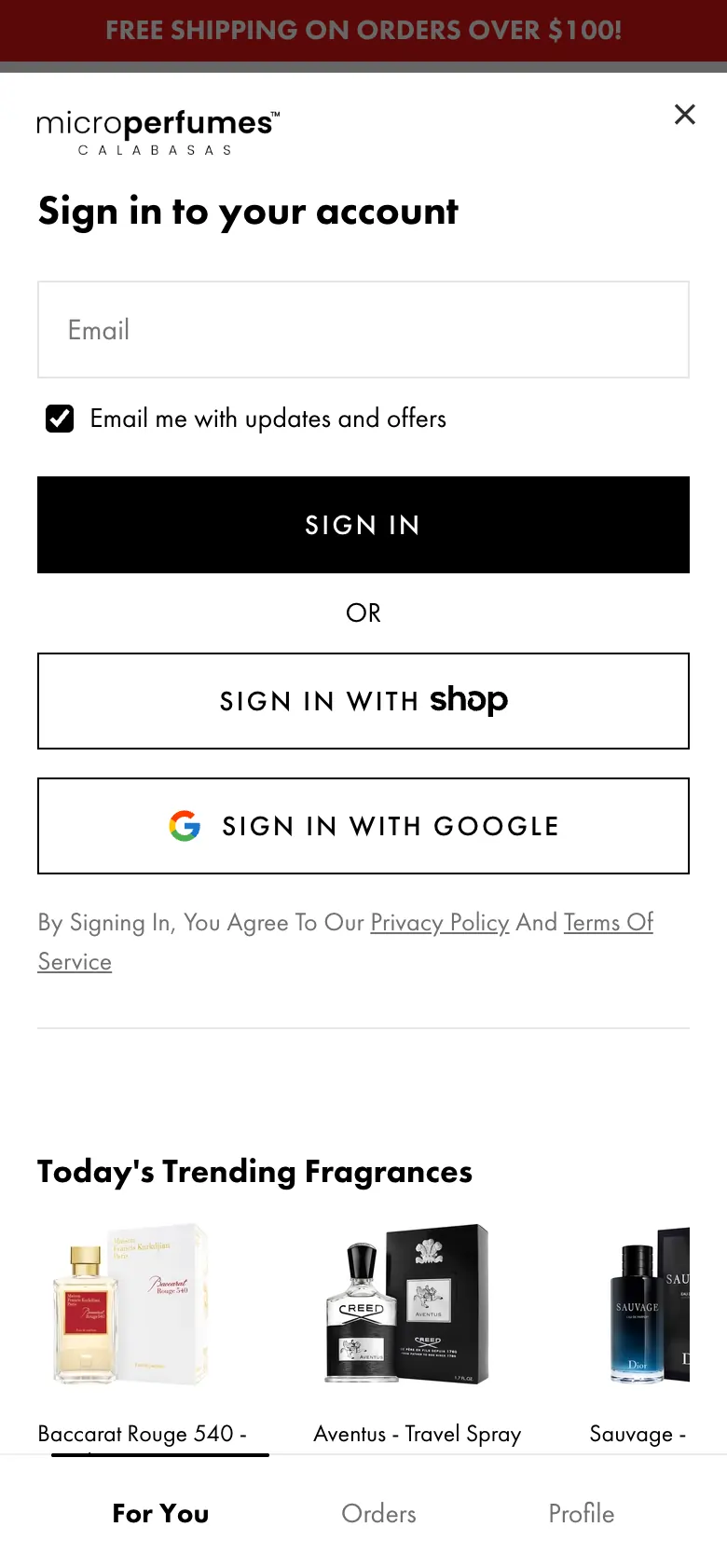
MicroPerfumes powers uses Fuego to power their mobile app experience on Apple and Google.
The integration gives MicroPerfumes most active customers a deeper loyalty experience in app.
Most companies try to force loyalty through complexity. We took the opposite approach. We worked backwards from what the customer actually needs, which is a low-risk way to explore. Rivo enabled us to align our incentives with the customer's incentives. We rewarded them early and often. The result is a fundamental shift in our unit economics. We are building a durable, high-velocity business that will serve these customers for years, not just for a single transaction.

Rewarding frequency over big spenders
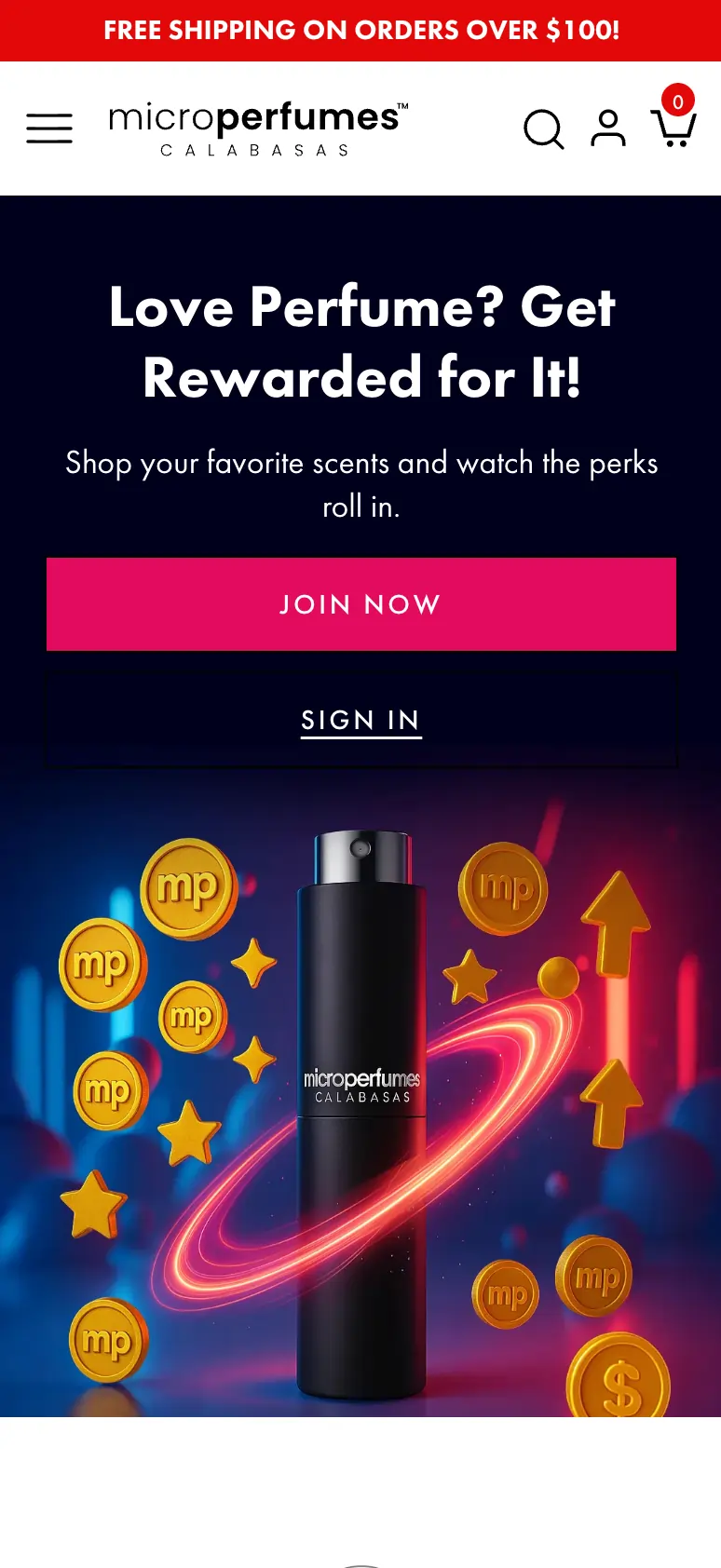
MicroPerfumes built MicroPoints on Rivo with mechanics designed for discovery commerce.
The core structure is simple: a points-per-spend model with a low redemption threshold so customers see rewards quickly. Points do not expire after the first redemption, removing the pressure tactics that erode trust with value-conscious shoppers.
They layered in behavior-based earning: bonus points for creating an account, writing reviews, and completing their profile. This front-loads value so customers feel rewarded before they have spent significantly, building the data foundation for personalized retention.
The program integrates with their email flows through Klaviyo. VIP tier promotions, points balance reminders, and personalized product recommendations based on past samples keep MicroPerfumes top of mind during those long consideration windows. When a customer is ready to upgrade from a sample to a full bottle, the brand is already in their inbox with a relevant offer.
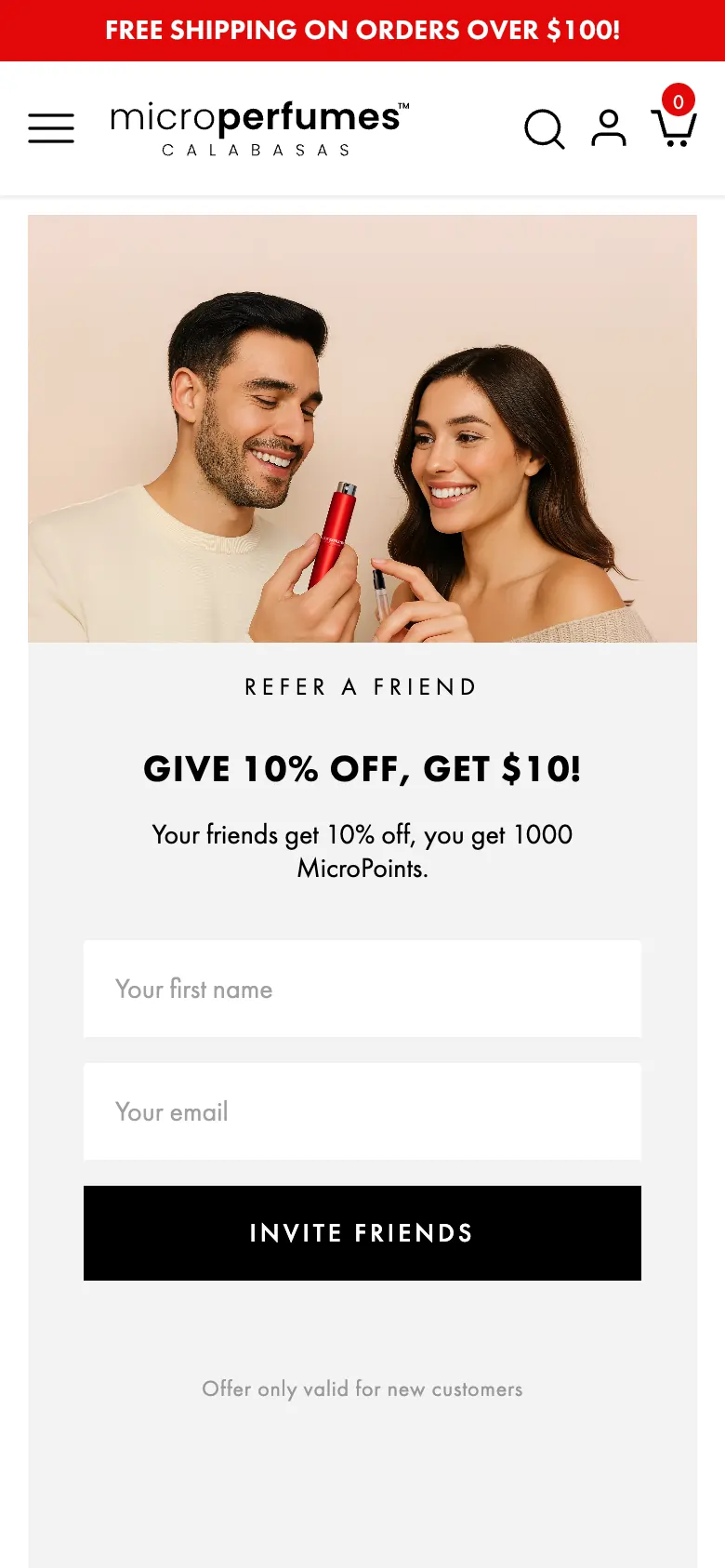
Referrals extend the program's reach. Existing customers share discovery codes with friends, creating a network effect around the try-before-you-buy model. New customers enter the ecosystem already enrolled in MicroPoints.
6 months of transformation on Rivo
From June 2025 to January 2026, MicroPoints transformed the customer base economics.
Customer lifetime value is 3.4x higher for loyalty redeemers compared to non-members. Average order value increased 2.4x. Repeat purchase rates improved 3.5x.
Participation grew by a factor of 10.6x in just seven months.
The incremental value per engaged customer tells the real story. Each loyalty member generates the equivalent of 5-6 extra orders over their lifetime compared to non-members. For a brand built on accessible, low-barrier transactions, that is the difference between a one-time sampler and a collector who returns season after season.
The massive shift in repeat rates means loyalty members are 3.5x more likely to come back. In a category where customers can easily drift to competitors or lose interest entirely, that retention changes the fundamental economics of the business.