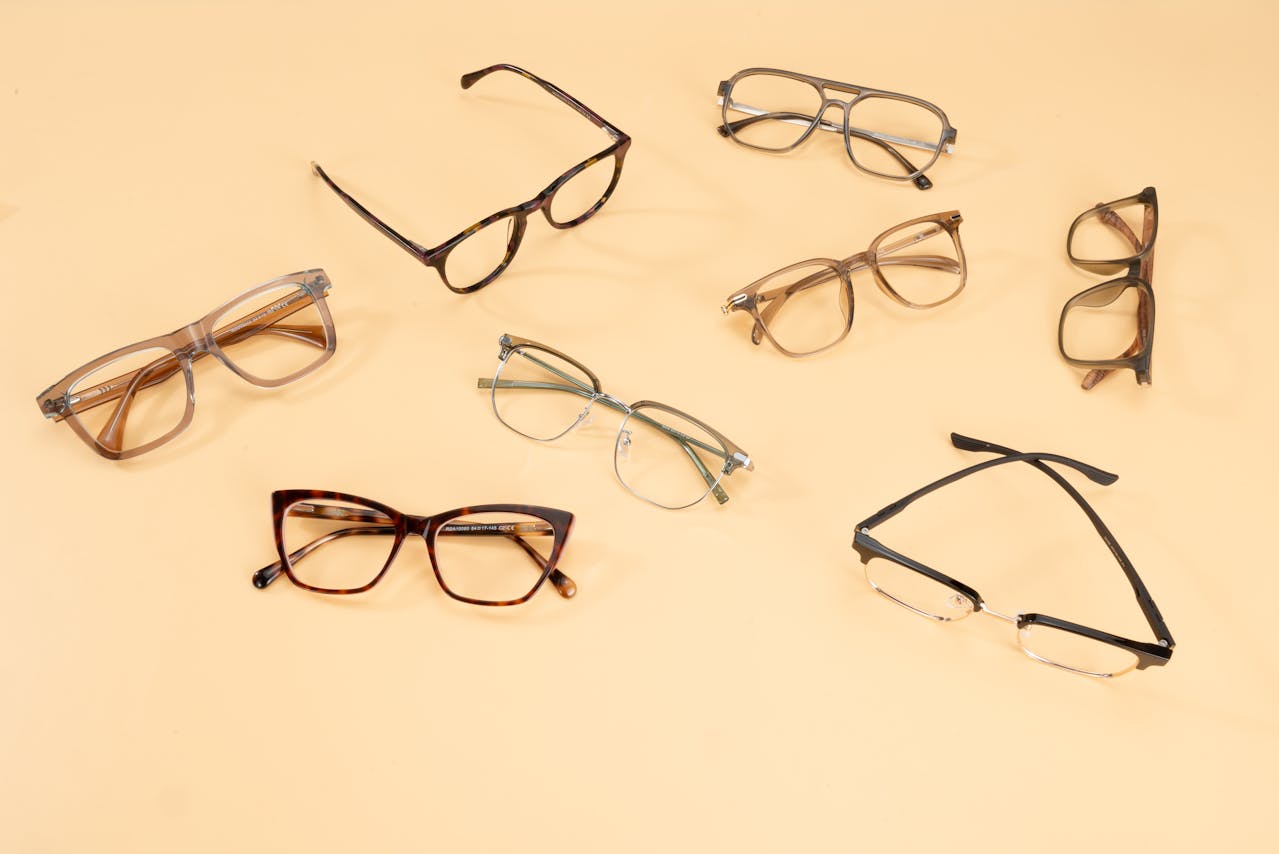
The Warby Parker referral program is one of the most studied word-of-mouth engines in direct-to-consumer retail. Since launching in 2010, Warby Parker has grown from a scrappy online eyewear startup into a $871.9 million revenue business with 323 stores, 2.7 million active customers, and a brand that people genuinely want to talk about. Referrals played a central role in getting there.
But the Warby Parker referral strategy is not just one program. It is a layered system — a formal refer-a-friend mechanic, a social mission that turns every purchase into a shareable story, user-generated content campaigns that went viral, and a customer experience so strong that 71% of customers self-identify as loyal. Together, these elements created an advocacy flywheel that helped Warby Parker disrupt a $147 billion global eyewear industry dominated by a single conglomerate.
This guide breaks down every component of how the Warby Parker referral program works, what has changed heading into 2026, and what ecommerce brands can learn from a company that turned customers into its most powerful marketing channel.
Key Takeaways
- Warby Parker's refer-a-friend program gives existing customers a unique referral link that rewards both the referrer and the new customer with discounts or credits on qualifying purchases.
- Buy a Pair, Give a Pair has distributed over 20 million pairs of glasses across 80+ countries since 2010, turning every purchase into a word-of-mouth conversation starter.
- The Home Try-On program — discontinued at the end of 2025 — was a referral engine in disguise, generating 50,000+ social media posts via #WarbyHomeTryOn and increasing purchase likelihood by 50% for customers who shared online.
- Warby Parker's NPS score has historically ranged from 88 to 91, placing it among the highest in DTC retail and fueling organic advocacy without heavy paid referral incentives.
- The company generated $871.9 million in revenue in 2025 (up 13% year-over-year) and posted its first full year of positive net income — proof that a referral-driven acquisition model can scale profitably.
- For ecommerce brands building referral programs, the Warby Parker playbook shows that the strongest referral strategies combine financial incentives, social purpose, and an experience worth talking about.
How the Warby Parker Referral Program Works
At its core, the Warby Parker referral program follows a straightforward refer-a-friend model. Existing customers receive a unique referral link they can share with friends and family. When a new customer uses that link to make their first qualifying purchase, both parties receive a reward — typically a discount or account credit.
What makes the Warby Parker referral program different from most ecommerce referral programs is what surrounds it. The formal referral mechanism is just one layer of a broader advocacy ecosystem that includes:
- A social mission (Buy a Pair, Give a Pair) that gives customers a compelling reason to talk about the brand beyond saving money
- A product experience (formerly Home Try-On, now Virtual Try-On, and 323 retail stores) that naturally generates sharing behavior
- A brand identity strong enough that wearing Warby Parker glasses is itself a social signal
This multi-layered approach means Warby Parker does not depend solely on referral credits to drive word-of-mouth. The credits accelerate sharing that would happen anyway, which is the hallmark of a well-designed referral program.
Warby Parker Referral Code: Step by Step
Using a Warby Parker referral code is a simple process, though the company does not publicize exact credit amounts — these have varied over the years and may differ by customer segment.
How to find your referral link
- Log into your Warby Parker account on warbyparker.com or through the mobile app
- Navigate to your account settings or referral section
- Copy your unique referral link — this is the URL you share with friends
- Share via email, text, or social media — the link tracks who you referred
How it works for the referred friend
- Click the referral link shared by an existing customer
- Browse and select frames through warbyparker.com or the app
- The referral discount is applied automatically at checkout on the first qualifying purchase
- Both parties receive their respective rewards once the purchase is confirmed and the return window has passed
Tips for maximizing referral value
- Share after a positive experience — the best time to refer is right after you receive your glasses and are excited about them
- Use social media — posting your frames with a referral link reaches more people than one-on-one texts
- Pair with Virtual Try-On — encourage friends to use the Virtual Try-On feature to lower the barrier to their first purchase
- Time it right — Warby Parker occasionally runs promotions that may enhance referral rewards during key shopping periods
The referral link model works because it ties incentives to real relationships. Unlike generic promo codes floating around coupon sites, a referral link carries implicit social proof — your friend is vouching for the product. This is why referral programs consistently outperform other acquisition channels on conversion rate and customer lifetime value.
Buy a Pair Give a Pair: The Social Mission
Buy a Pair, Give a Pair is not technically part of the Warby Parker referral program. But it might be the most effective referral driver the company has ever built.
Since 2010, Warby Parker has distributed a pair of glasses to someone in need for every pair sold. The program has delivered over 20 million pairs across more than 80 countries, working with nonprofit partners like VisionSpring to train local entrepreneurs who sell affordable glasses in their communities.
How Buy a Pair Give a Pair generates referrals
The genius of Buy a Pair, Give a Pair as a referral mechanism is that it gives customers something to talk about beyond the product itself. When someone asks "where did you get your glasses?", the answer is not just "Warby Parker" — it is "Warby Parker, and they donate a pair for every one you buy."
That second part of the sentence does three things:
- Creates emotional resonance — the listener associates the brand with doing good, which lowers skepticism and increases purchase intent
- Gives the referrer social capital — recommending Warby Parker signals that the referrer cares about social impact, not just saving money
- Differentiates from competitors — in a crowded eyewear market, the social mission makes the recommendation memorable
- Research backs this up. According to a 2025 study, 70% of consumers expect brands to address environmental and social issues. When a brand meets that expectation, customers are significantly more likely to recommend it to others.
The social mission by the numbers
- Pairs distributed: 20+ million
- Countries reached: 80+
- Program launched: 2010
- Partner model: VisionSpring and local nonprofits
- Pupils Project (US): Free vision screenings, exams, and glasses for schoolchildren (since 2015)
What Warby Parker learned about social mission marketing
Interestingly, Warby Parker discovered early on that leading with the social mission in advertising did not convert customers. Co-founder Neil Blumenthal has noted that while the mission resonates deeply once customers are engaged, it is not the primary driver of a first purchase. Customers buy because the glasses look good and cost $95 instead of $300. The social mission turns a satisfied buyer into an active advocate.
This insight matters for any ecommerce brand considering a give-back component in their loyalty or referral program. The mission amplifies word-of-mouth, but the core product and value proposition must stand on their own first.
Home Try-On: The Referral Driver That Changed DTC
For 15 years, Warby Parker's Home Try-On program was one of the most powerful referral engines in ecommerce — even though it was designed as a sales tool, not a referral tool.
How Home Try-On worked
Customers selected up to five frames from the website, and Warby Parker shipped them in a distinctive blue box for a free five-day trial. Shipping both ways was completely free. The program addressed the biggest barrier to buying glasses online: you cannot try them on through a screen.
Why Home Try-On was a referral machine
The real magic was what happened after the box arrived. Warby Parker actively encouraged customers to ask friends and family for opinions on which frames looked best. The company promoted the hashtag #WarbyHomeTryOn, and the campaign generated more than 50,000 social media posts — each one a piece of organic brand advocacy reaching the poster's entire social network.
The data confirmed the impact. Customers who shared their Home Try-On experience on social media were 50% more likely to make a purchase than those who did not share. Every social post was both a conversion event for the person trying on frames and a referral touchpoint for everyone who saw it.
The distinctive blue box
Even the packaging played a role. The blue Warby Parker Home Try-On box became a recognizable status symbol — an unboxing moment that signaled taste, value-consciousness, and social awareness all at once. In an era when "unboxing content" was becoming a genre of its own on YouTube and Instagram, Warby Parker had a built-in content engine.
Why was it discontinued
In August 2025, Warby Parker announced it would sunset the Home Try-On program by the end of the year. The reason was straightforward: with 323 stores across the United States, the vast majority of recent Home Try-On users already lived within 30 minutes of a physical Warby Parker location. The program's original purpose — solving the "I can't try these on" problem for online-only shoppers — was no longer relevant for most customers.
The wind-down carried $3.8 million in one-time costs, including $2.5 million in inventory write-downs. Warby Parker redirected those resources toward brand awareness campaigns, in-store eye exams, and its Virtual Try-On augmented reality feature — which solves the same problem digitally without shipping costs.
The lesson for ecommerce brands
Home Try-On demonstrates that the most powerful referral programs often do not look like referral programs at all. By designing an experience that people naturally wanted to share with friends, Warby Parker turned a logistics operation into a viral acquisition loop. Brands building referral strategies on Shopify should think beyond "share a link, get a credit" and ask: what in our customer experience is inherently shareable?
Word-of-Mouth by the Numbers
Warby Parker is one of the most data-driven companies in DTC, and its word-of-mouth metrics help explain why referrals have been so central to its growth.
Net Promoter Score
Warby Parker co-founder David Gilboa has called NPS "the best indicator for the health of their brand." The company has historically maintained one of the highest NPS scores in retail:
- 2013–2018: NPS of 88 — among the highest in any consumer category
- Peak (~2019): NPS of 91 — higher than Apple, Tesla, and Netflix at the time
- Recent third-party estimate: NPS of 17 — via Comparably (note: methodological differences from internal surveys)
The discrepancy between internal and third-party NPS measurements is common — companies survey their active customers, while third-party platforms often include broader audiences. The internal scores are more relevant for understanding referral behavior among existing customers.
Customer loyalty
71% of Warby Parker customers self-identify as loyal when surveyed — a remarkable figure for a product category (eyewear) where most people only purchase once every one to two years.
Social media advocacy
- TikTok: 68,000+ videos featuring Warby Parker; 357,000+ followers
- Instagram/social: 50,000+ posts with #WarbyHomeTryOn
- Email: Higher-than-average open and conversion rates
- UGC campaigns: “Wearing Warby” series profiling real customers
What the numbers tell us
The combination of a 91 NPS and 71% self-reported loyalty means Warby Parker has a customer base that is both satisfied and willing to act on that satisfaction. This is the ideal foundation for a referral program that actually drives growth — the financial incentive (referral credits) amplifies behavior that the customer experience already produces organically.
Warby Parker's Affiliate Program
In addition to its customer referral program, Warby Parker operates a formal affiliate program for content creators, publishers, and review sites.
Affiliate program details
- Network: Awin
- Commission rate: Up to 20% per sale
- Lead bonus: $0.50 per Home Try-On referral (legacy; discontinued with Home Try-On)
- Cookie duration: 30 days
- Application process: Apply through Awin; approval typically takes a few days
- Creative assets: Banners, text links, and product feeds available through the affiliate dashboard
How the affiliate program differs from the referral program
The customer referral program and the affiliate program serve different audiences:
- Referral program — for existing customers who recommend Warby Parker to friends and family. Rewards are typically account credits or discounts. The motivation is a personal recommendation.
- Affiliate program — for content creators, bloggers, and publishers who drive traffic through content. Rewards are cash commissions. The motivation is monetizing an audience.
Both programs contribute to Warby Parker's acquisition funnel, but the referral program carries higher trust (personal recommendation from someone the buyer knows) while the affiliate program carries a broader reach (content seen by thousands of readers).
For brands evaluating whether to run both programs simultaneously, the data consistently shows that referral traffic converts at higher rates than affiliate traffic — but affiliate programs are easier to scale because they do not require an existing customer base.
Why Warby Parker Skips Points-Based Loyalty
This is one of the most interesting strategic decisions in the Warby Parker playbook. Unlike many DTC brands that invest heavily in points, tiers, and rewards programs, Warby Parker loyalty has never been driven by a traditional points-based loyalty program.
The purchase frequency challenge
The core reason is product economics. Most customers buy new glasses once every one to two years. A points-based loyalty program works best when customers make frequent purchases — think coffee shops, beauty brands, or fashion retailers. When the purchase cycle stretches to 12-24 months, the psychological pull of accumulating points weakens significantly.
What Warby Parker does instead
Rather than building a formal Warby Parker rewards program with points and tiers, the company drives retention through:
- Exceptional customer experience — from in-store eye exams to 323 retail locations to a seamless e-commerce platform
- Brand identity and social mission — Buy a Pair, Give a Pair keeps customers emotionally connected between purchases
- Referral credits — reward customers for bringing in new buyers rather than for repeat purchases
- Product expansion — moving into contact lenses, sunglasses, and eye exams gives customers more reasons to transact within the Warby Parker ecosystem
- Email and content marketing — ongoing communication keeps the brand top-of-mind for the eventual re-purchase
When a loyalty program would make sense
Warby Parker's approach works because the brand is strong enough to sustain an emotional connection across long purchase gaps. Most ecommerce brands do not have that luxury. If your customers buy every 30 to 90 days — which is common in beauty, wellness, food, supplements, and fashion — a structured loyalty program with points, tiers, and referral rewards dramatically increases retention rates and customer lifetime value.
A retention platform like Rivo makes it straightforward for Shopify brands to implement the kind of multi-layered advocacy system that Warby Parker built from scratch — combining referral programs, VIP tiers, points, paid memberships, and milestone rewards in a single Shopify-native app. With $1.5B+ in attributed revenue generated for brands, the infrastructure exists off-the-shelf for brands that do not have 16 years and $871 million in revenue to build it organically.
Warby Parker Referral Strategy vs Other DTC Brands
To understand what makes the Warby Parker referral program distinctive, it helps to compare it against other DTC brands known for strong referral strategies.
To understand what makes the Warby Parker referral program distinctive, it helps to compare it against other DTC brands known for strong referral strategies.
Warby Parker
- Referral mechanic: Refer-a-friend credits + affiliate program
- Social mission: Buy a Pair, Give a Pair (20M+ pairs)
- Product shareability: High (eyewear is visible and shareable)
- NPS (reported): 88–91
- Primary acquisition driver: Word-of-mouth + retail stores
Dollar Shave Club
- Referral mechanic: Referral credits + viral content
- Social mission: None
- Product shareability: Medium (subscription commodity)
- NPS (reported): ~50–60
- Primary acquisition driver: Viral video marketing
Glossier
- Referral mechanic: Referral codes + ambassador program
- Social mission: Limited
- Product shareability: High (beauty is inherently shareable)
- NPS (reported): ~70–80
- Primary acquisition driver: Community-driven social media
Tesla
- Referral mechanic: Referral credits + owner events
- Social mission: Environmental mission
- Product shareability: Very high (cars are status symbols)
- NPS (reported): 96–97
- Primary acquisition driver: Product evangelism
Casper
- Referral mechanic: Referral codes + affiliate
- Social mission: Limited
- Product shareability: Low (mattresses are private)
- NPS (reported): ~40–50
- Primary acquisition driver: Paid media + content
What sets Warby Parker apart
Three elements distinguish the Warby Parker referral strategy:
- Multiple referral drivers working simultaneously — most DTC brands rely on a single referral mechanic (a code or a link). Warby Parker layers a formal referral program, a social mission, user-generated content campaigns, and a high-NPS customer experience into a unified advocacy system.
- The social mission as a conversation starter — Buy a Pair, Give a Pair gives every customer a story to tell that goes beyond "I got a discount." This is materially different from a standard referral code and harder for competitors to replicate.
- Product visibility — glasses are worn on your face. Every pair of Warby Parkers is a walking advertisement. When someone compliments your frames and you respond with "they were only $95 and they donate a pair for every one sold," that is a three-part referral message (quality, value, and mission) delivered in a single sentence.
For Shopify brands that want to build a comparable multi-channel advocacy system, platforms like Rivo make it possible to layer referral programs, loyalty points, VIP tiers, and social sharing into a single cohesive experience — without needing to build each component from scratch.
Lessons for Ecommerce Brands Building Referral Programs
The Warby Parker referral playbook offers several actionable takeaways for ecommerce operators.
Design experiences that people want to share
Warby Parker's Home Try-On boxes were not designed as a referral tool, but they became one because the experience was inherently shareable. Think about what in your customer journey — packaging, unboxing, product reveal, first use — could generate the same kind of organic social sharing.
Give customers a story beyond the discount
Buy a Pair, Give a Pair works because it gives customers something meaningful to say when recommending the brand. A referral credit of $15 is transactional. A social mission that has delivered 20 million pairs of glasses to people in need is a story. Both drive referrals, but the story compounds over time.
Measure NPS and act on it relentlessly
Warby Parker treats NPS as its north-star health metric. A high NPS means customers are already inclined to recommend you — the referral program just makes it easier and adds an incentive. If your NPS is low, fixing the customer experience will do more for referrals than increasing the referral credit.
Layer your referral mechanics
Do not rely on a single referral channel. The strongest referral strategies combine:
- A formal refer-a-friend program with tracked links and incentives
- An affiliate program for content creators and publishers
- Social sharing prompts at key moments in the customer journey
- A brand mission or identity that generates organic word-of-mouth
- Post-purchase engagement that keeps customers talking about the brand
Match your retention strategy to your purchase cycle
Warby Parker skips a points-based loyalty program because glasses are a once-per-year purchase. For brands with higher purchase frequency, a loyalty program with points, tiers, and referral integration is the right move. The key is matching the retention mechanic to how often customers actually buy.
Referral program building blocks
A strong referral program depends on more than just offering a reward. Warby Parker’s approach combines incentives, social impact, customer sharing moments, and performance tracking. The comparison below highlights the core building blocks of that approach, alongside practical recommendations for Shopify brands.
Referral incentive
- Warby Parker approach: Credit/discount for both parties
- Recommended for Shopify brands: Dual-sided reward (referrer + friend)
Social mission
- Warby Parker approach: Buy a Pair, Give a Pair
- Recommended for Shopify brands: Consider a charitable component tied to purchases
Sharing triggers
- Warby Parker approach: Home Try-On, #WarbyHomeTryOn
- Recommended for Shopify brands: Post-purchase emails, unboxing prompts, social sharing widgets
Loyalty program
- Warby Parker approach: None (low purchase frequency)
- Recommended for Shopify brands: Points + tiers for frequent purchasers
Affiliate channel
- Warby Parker approach: Awin (20% commission)
- Recommended for Shopify brands: Built-in or third-party affiliate tracking
NPS tracking
- Warby Parker approach: Internal surveys, 88–91 score
- Recommended for Shopify brands: Regular NPS surveys with automated follow-up
What Has Changed in 2025-2026
Several significant developments have reshaped the Warby Parker referral and growth strategy heading into 2026.
Home Try-On discontinued (end of 2025)
The signature program that fueled so much word-of-mouth growth was sunset in late 2025. With 323 stores and a growing Virtual Try-On feature, the economics no longer justified shipping physical boxes. The $3.8 million in wind-down costs will be reinvested in brand awareness and in-store experiences.
Revenue and profitability milestones
Warby Parker generated $871.9 million in 2025 revenue (up 13% year-over-year) and achieved its first full year of positive net income. Adjusted EBITDA reached $95 million, up 30% year-over-year. Active customers grew 7% to 2.7 million, with average revenue per customer rising to $324.
Store expansion continues
The company plans to open 50 new stores in 2026, with a long-term target of 900+ locations. Stores are becoming the primary customer acquisition channel — replacing the online-first model that Home Try-On and referral links originally served.
AI glasses on the horizon
Warby Parker announced plans to enter the AI glasses market in late 2026, joining competitors like Meta (Ray-Ban Stories) in the smart eyewear space. If successful, this could create an entirely new category of shareable product experience that fuels the next generation of word-of-mouth referrals.
Virtual Try-On replaces Home Try-On
The AR-powered Virtual Try-On feature, accessible through the Warby Parker app, is now the primary try-before-you-buy experience for online shoppers. While it generates less organic social sharing than the physical Home Try-On boxes, it eliminates shipping costs and provides instant gratification.
Final Verdict
The Warby Parker referral program is not the most generous in DTC — the credits are modest, the exact amounts are not publicly listed, and there is no formal loyalty program layered on top. What makes it one of the most effective is the ecosystem around it.
By combining a simple refer-a-friend mechanic with a social mission that has delivered 20 million pairs of glasses to people in need, an NPS score that routinely exceeds 88, and a product that customers proudly wear on their face, Warby Parker built an advocacy engine that generated $871.9 million in 2025 revenue — most of it driven by word-of-mouth and owned channels rather than paid acquisition.
The playbook is clear: financial referral incentives work best when they amplify an experience and a brand that people already want to recommend.
For ecommerce brands that want to build this kind of referral-driven growth without Warby Parker's 16-year head start, a platform like Rivo provides the infrastructure to combine referral programs, loyalty points, VIP tiers, and paid memberships into a single Shopify-native system — the same kind of multi-layered advocacy that took Warby Parker from a dorm-room startup to a public company.
FAQ
How does a Warby Parker referral code work?
Log into your Warby Parker account and locate your unique referral link. Share it with friends via email, text, or social media. When a friend clicks the link and completes a qualifying purchase, both you and your friend receive rewards — typically a discount or account credit.
What is Warby Parker Buy a Pair Give a Pair?
Buy a Pair, Give a Pair is Warby Parker's social impact program running since 2010. For every pair of glasses purchased, the company distributes a pair to someone in need through nonprofit partners like VisionSpring. The program has distributed over 20 million pairs across 80+ countries.
Does Warby Parker have a loyalty or rewards program?
Warby Parker does not operate a traditional points-based loyalty program. Instead, the brand drives repeat purchases through its social mission, referral credits, exceptional customer experience, and high NPS scores (historically 88-91). The company relies on word-of-mouth advocacy rather than a formal rewards structure.
Is the Warby Parker Home Try-On program still available?
No. Warby Parker discontinued the Home Try-On program at the end of 2025. The company shifted resources toward its 323+ retail stores and Virtual Try-On AR technology. Most recent Home Try-On users lived within 30 minutes of a physical store, making the program less necessary.
How much can you save with a Warby Parker referral code?
The exact discount amount varies and Warby Parker does not publicly publish fixed referral credit values. Historically, referral rewards have included percentage discounts or dollar-amount credits for both the referrer and the referred friend. Check your Warby Parker account for the current offer..