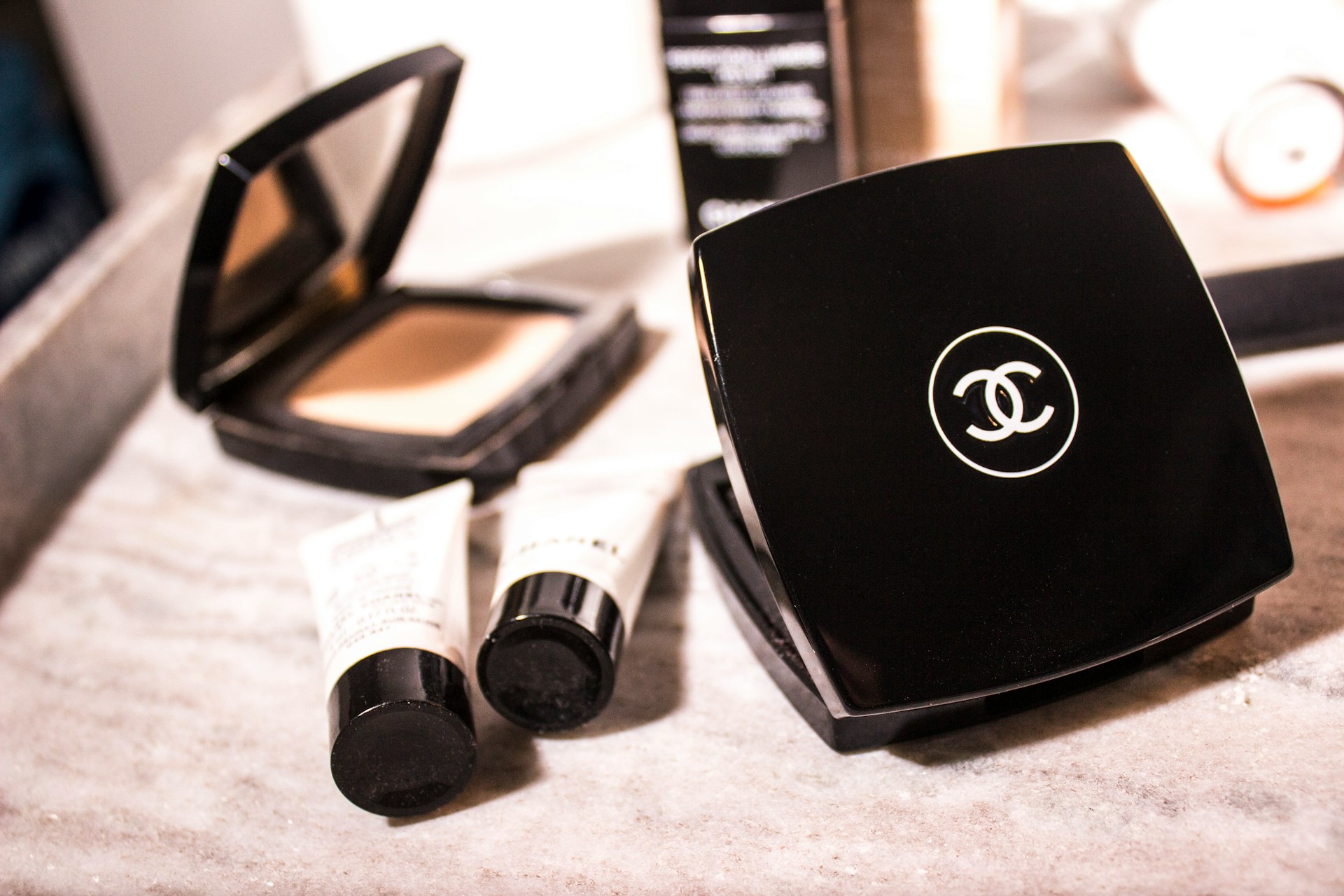
Beauty brands face a unique challenge: acquiring new customers while building lasting loyalty in a saturated market. Referral programs solve both problems by turning satisfied customers into brand advocates who bring in high-quality leads at a fraction of traditional acquisition costs.
The platforms and programs featured below represent diverse approaches to customer acquisition, from developer-friendly solutions built for modern Shopify architecture to proven examples from beauty retail giants and DTC brands. Whether you're launching a new referral program or optimizing an existing one, these examples offer actionable frameworks for turning customers into brand advocates.
1) Rivo — Built for Shopify Beauty Brands
Rivo delivers fully customizable loyalty and referral programs using modern Shopify architecture instead of legacy workarounds. The platform serves over 7,000 brands including beauty companies like Kitsch, OSEA, and DRMTLGY.
Best For
Fast-growing DTC beauty brands on Shopify Plus seeking measurable referral ROI without annual contracts
Price
Free (up to 200 orders) to $499/month
Rating
4.8/5 (1,409 reviews)
Key Features
- White-labeled referral programs with dedicated pages and unique sharing links for every customer
- Tiered referral rewards where advocates earn escalating benefits based on successful referrals
- 20+ fraud prevention tools including IP monitoring, self-referral blocking, and order fulfillment verification
- Deep Klaviyo integration for automated referral campaign emails
- Developer Toolkit with REST API, JavaScript API, and webhooks
- Combined loyalty and referral programs for compounding retention effects
Rivo stands out as the first open platform for Shopify loyalty and referrals, processing 2.9 billion API calls annually while maintaining 99.98% uptime. The platform is 100% bootstrapped with zero venture capital, enabling month-to-month contracts instead of annual commitments.
The platform integrates directly into Shopify's infrastructure using theme app extensions loading under 100ms, checkout extensions, and Shopify Flow. This modern approach avoids legacy workarounds, instead using Shopify Plus capabilities.
Beauty Brand Results
Beauty and lifestyle brands on Rivo demonstrate measurable acquisition improvements:
- HexClad: Generated $450K in referral revenue within 90 days, achieving 92x ROI and 17% higher AOV from referred customers
- Kitsch: Built $5.8M in loyalty-attributed revenue with 1.2M activated customers through combined loyalty and referral programs
- OSEA: Achieved 77% repeat purchase rate among program members with $167 AOV
The platform offers white-glove onboarding on Plus and Enterprise plans. Migration assistance is available from competitors including Yotpo, Smile.io, and LoyaltyLion.
Integration capabilities span email (Klaviyo, Postscript, Attentive), reviews (Okendo, Junip, Stamped), and 50+ additional apps.
Standout Feature
The platform verifies new customers, monitors IP addresses, and requires order fulfillment before distributing rewards—critical features when scaling referral programs to prevent fraud that can undermine program economics.
Request a demo to see how Rivo's referral program reduces customer acquisition costs while increasing customer lifetime value.
2) Yotpo Loyalty — Enterprise Strategic Partnership
Yotpo Loyalty positions itself as a strategic partner rather than just software, offering dedicated Customer Success Managers for brands serious about retention and referral programs.
Best For
Enterprise beauty brands wanting unified loyalty, referrals, reviews, and SMS marketing
Price
Custom pricing
Rating
4.7/5 (2,200+ reviews)
Key Features
- Unified platform combining loyalty programs, referrals, reviews, and SMS marketing
- Dedicated CSM providing strategic support for program optimization
- Advanced VIP tiers with flexible reward structures
- Built specifically for ecommerce (not retrofitted from retail)
- Partnership-driven approach with quarterly strategy sessions
Yotpo earned recognition as a best-in-class solution built specifically for ecommerce brands. The platform targets mid-market to enterprise merchants who view customer acquisition and retention as strategic investments.
The platform's 4.5/5 Capterra rating reflects strong enterprise satisfaction despite a steeper learning curve than plug-and-play alternatives.
Standout Feature
The unified marketing suite eliminates the need to sync data between separate loyalty, referral, review, and messaging platforms—reducing technical overhead for marketing teams.
3) Smile.io — Market Leader with Longest Track Record
Smile.io holds the position as the longest-tenured platform with over a decade of stability since its 2012 founding, offering both loyalty and referral capabilities.
Best For
Beauty brands prioritizing proven stability and extensive review validation
Price
Free (up to 200 orders) to $999/month
Rating
4.9/5 (4,111 reviews)
Key Features
- Loyalty and referral programs with extensive configuration options
- Points, VIP tiers, and white-labeled referral pages
- Deep Klaviyo integration for automated campaigns
- Built for Shopify badge with highest review count in the category
- 91% of ratings are 5 stars, demonstrating consistent satisfaction
Smile.io's 4,111 reviews represent the largest validation dataset in the Shopify loyalty and referral space. The platform benefits from years of stability and incremental improvements.
The free plan supports up to 200 monthly orders, matching competitors while offering the confidence of market leadership.
Standout Feature
The sheer volume of reviews and years in market provide unmatched validation for risk-averse beauty brands evaluating referral program software.
4) LoyaltyLion — Best Analytics for Referral Programs
LoyaltyLion focuses on data-driven loyalty and referral programs for D2C brands, offering industry-leading analytics and performance tracking.
Best For
Beauty brands prioritizing analytics and data-driven program optimization
Price
Starting at $199/month
Rating
4.8/5 (479 reviews)
Key Features
- Advanced analytics with referral performance tracking
- Combined loyalty and referral program capabilities
- Focus on non-transactional customer behaviors
- Built specifically for D2C ecommerce brands
- 4.4/5 Capterra rating from enterprise users
LoyaltyLion distinguishes itself through analytics capabilities that help beauty brands understand which referral activities drive actual revenue.
The platform's research shows 39% of Shopify stores currently have loyalty programs, with referral programs becoming increasingly important for customer acquisition.
Standout Feature
Industry-leading analytics suite provides insights into referral program performance that basic platforms cannot match, justifying the higher price point for data-driven beauty brands.
5) MAC Cosmetics — Luxury Simplicity at Scale
MAC Cosmetics runs one of the most recognized referral programs in luxury beauty with a straightforward Give $10, Get $10 structure on $50+ purchases.
Best For
Understanding premium beauty referral strategies that prioritize brand equity
Key Features
- Give $10, Get $10 on $50+ purchases
- Integration with MAC Lover Rewards loyalty program
- Clear 30-day redemption window creating urgency
- High referral cap (50 friends) rewards top advocates
- Symmetric rewards backed by strong brand identity
The $50 minimum purchase threshold ensures quality transactions while the symmetric structure keeps messaging simple. MAC's strong brand recognition among millennials means referrals benefit from existing brand equity.
The program demonstrates how loyalty program integration amplifies referral effectiveness by offering additional perks to program members.
Standout Feature
Simple, equal rewards backed by strong brand identity drive word-of-mouth without complex incentive structures, protecting luxury positioning while encouraging advocacy.
6) Glossier — Community-First Referral Marketing
Glossier built its brand on community engagement, with its referral program extending that philosophy through a simple Give $10, Get $10 store credit structure.
Best For
Understanding DTC beauty referral programs targeting millennial and Gen Z consumers
Key Features
- Give $10, Get $10 store credit (not discount codes)
- Seamless social sharing integration
- UGC-driven marketing amplifies referral content
- Referenced 18.5% conversion rate benchmark
- Built WITH customer input creating authentic advocacy
The store credit model creates a self-reinforcing loop where referrers return to redeem rewards, contributing to both acquisition and retention. Glossier's approach targets tech-savvy, socially connected consumers who share naturally.
The program demonstrates how community-driven strategies extend beyond referral mechanics to create authentic advocacy.
Standout Feature
Store credit rewards create stronger retention loops than one-time discounts, making referrals contribute to both customer acquisition and repeat purchase behavior.
7) Kiehl's #KiehlsBFF — Premium Samples Drive Conversions
Kiehl's stands out with an asymmetric reward structure offering referrers $20 while referees receive $10 plus five complimentary samples.
Best For
Understanding skincare referral programs with sampling strategies
Key Features
- Referee gets $10 off + 5 samples | Referrer gets $20 off
- Sample inclusion reduces purchase hesitation
- Asymmetric rewards acknowledge different motivations
- Heritage brand credibility (Since 1851) backs program trust
- Cross-sells additional products through samples
The sample inclusion solves a key barrier in premium skincare: customers want to try before committing. By including high-quality samples, Kiehl's reduces purchase hesitation while introducing new customers to multiple products.
The approach demonstrates how unique loyalty rewards can differentiate beauty referral programs.
Standout Feature
Including product samples with referral rewards reduces friction for first-time skincare purchases while cross-selling additional products from the line.
8) The Body Shop — Values-Driven Referral Marketing
The Body Shop aligns its referral program with environmental and ethical commitments, offering £10 off for referees and 20% off for referrers.
Best For
Understanding values-based referral programs for ethical and sustainable beauty brands
Key Features
- £10 off for referee | 20% off for referrer
- Dual program structure (customer referral + influencer affiliate up to 15%)
- Values messaging integrated into referral communications
- Global brand recognition drives trust
- Cruelty-free positioning creates authentic advocacy
Values-based consumers share brands that reflect their identity. The Body Shop's cruelty-free positioning and community trade ingredients create authentic advocacy opportunities that extend beyond transactional benefits.
The program demonstrates how brand values can amplify referral effectiveness.
Standout Feature
Aligning referral messaging with brand values creates more authentic advocacy among environmentally and ethically conscious consumers.
9) Jane Iredale — Flexible Redemption Options
Jane Iredale offers higher-than-average reward values at $30 per referral, with the option to receive loyalty points instead of immediate discounts.
Best For
Understanding flexible redemption structures for mineral makeup and professional beauty brands
Key Features
- $30 off or 600 beauty reward points (customer choice)
- Rewards exceed industry average ($10-$20)
- Integration with beauty reward points system
- Choice-based redemption increases participation
- Appeals to different customer preferences
Flexible redemption—discount OR loyalty points—appeals to different customer segments. Some customers want immediate savings while others prefer accumulating points for larger rewards.
The approach shows how loyalty program integration extends referral program effectiveness.
Standout Feature
Offering redemption flexibility increases program appeal across customer segments while maintaining higher-than-average reward values.
10) VersedSkin — Hybrid Discount and Points Structure
VersedSkin demonstrates how referral programs can feed into broader loyalty ecosystems with referee getting 15% off while referrer earns 150 points ($15 value).
Best For
Understanding hybrid referral structures for clean skincare brands with loyalty integration
Key Features
- Referee gets 15% off | Referrer earns 150 points ($15 value)
- Points sync with loyalty system
- Hybrid discount/points model serves different needs
- Percentage discount attracts new customers
- Points-based referrer rewards drive repeat purchases
The hybrid model serves different customer needs: new customers get immediate percentage savings while advocates build points toward future rewards, extending customer lifecycle engagement.
Standout Feature
Connecting referral rewards to loyalty points increases long-term customer engagement by encouraging ongoing platform interaction.
Building Your Beauty Referral Strategy
Beauty brands implementing referral programs achieve measurable improvements in customer acquisition costs and customer lifetime value. When 92% trust recommendations from friends and family, referral programs become essential marketing channels.
Choosing the Right Platform
Shopify-native platforms provide seamless integration advantages for D2C beauty brands. Native integrations load faster, maintain data consistency, and avoid technical complications.
Critical platform features include:
- White-labeled referral pages matching brand aesthetics
- Fraud prevention tools protecting program economics
- Klaviyo integration for automated referral campaigns
- Combined loyalty and referral capabilities for compounding effects
- Analytics tracking referral performance and ROI
Modern platforms load in under 100ms using Shopify theme app extensions, preventing page speed degradation that harms conversion rates.
Reward Structure Design
Two-sided rewards ("Give X, Get X") consistently outperform one-sided structures. Dollar amounts between $10-$30 work well for most beauty brands, with premium brands trending higher.
Essential design elements:
- Clear value proposition for both parties
- Minimum purchase requirements protecting margins
- Tiered rewards encouraging multiple successful referrals
- Free product rewards and samples often outperform discounts for skincare
Platforms offering month-to-month contracts enable experimentation with different reward structures without long-term commitments.
Measuring Success
Track program performance through both participation metrics and business impact measures. Beauty brands should monitor:
- Customer acquisition cost reduction from referrals
- AOV comparison between referred and non-referred customers (17% higher on average)
- Referral conversion rates (2X higher than paid acquisition)
- Fraud rates and prevention effectiveness
- Customer lifetime value of referred customers
Beauty consumers are 42% more likely to try new brands than other demographics, making them particularly receptive to word-of-mouth marketing.
Frequently Asked Questions
What is the average ROI for a beauty brand's referral program?
ROI varies significantly based on reward structure and implementation. Top-performing programs report 92X ROI within 90 days when using tiered product rewards and proper fraud prevention. Most beauty brands see positive returns within the first quarter when programs are properly structured with appropriate fraud prevention and reward mechanics. Referred customers show 17% higher AOV compared to customers acquired through other channels, contributing to strong program economics.
How can beauty brands prevent fraud in their referral programs?
Effective fraud prevention requires multiple layers of protection. Leading platforms offer 20+ built-in protections including IP address monitoring (one referral per household), self-referral blocking, cookie tracking, new customer verification, minimum cart requirements, and order fulfillment verification before reward distribution. Fraud prevention becomes critical as programs scale—without proper controls, referral fraud can undermine program economics and erode margins quickly.
What are the best incentives to offer in a beauty referral program?
Two-sided rewards ("Give X, Get X") consistently outperform one-sided structures. Dollar amounts between $10-$30 work well for most beauty brands, with premium brands trending higher. Free product rewards and samples often outperform discounts for skincare and luxury beauty brands by reducing purchase hesitation. Tiered reward structures where advocates earn escalating benefits based on successful referrals drive sustained advocacy rather than one-time shares. Store credit rewards create stronger retention loops than one-time discount codes.
Can a referral program be integrated with an existing loyalty program?
Yes—integration amplifies both programs significantly. Brands using combined referral and loyalty strategies see higher customer lifetime value as referral rewards feed into loyalty point balances. Platforms like Rivo offer native integration between referral and loyalty features, enabling customers to earn loyalty points for successful referrals while maintaining separate incentive structures. The combination creates compounding retention effects where customers both purchase more and refer others.
How do referral programs benefit new customer acquisition for beauty businesses?
Referral programs acquire customers with higher intent and trust. 92% of global consumers trust recommendations from friends and family more than advertisements, and referred customers convert at 2X the rate of paid acquisition channels. The pre-existing trust from friend recommendations reduces purchase hesitation for first-time buyers in beauty, where product efficacy concerns are high. Beauty consumers are 42% more likely to try new brands than other demographics, making them particularly receptive to referral programs. Request a demo to see how modern platforms handle beauty-specific referral requirements.