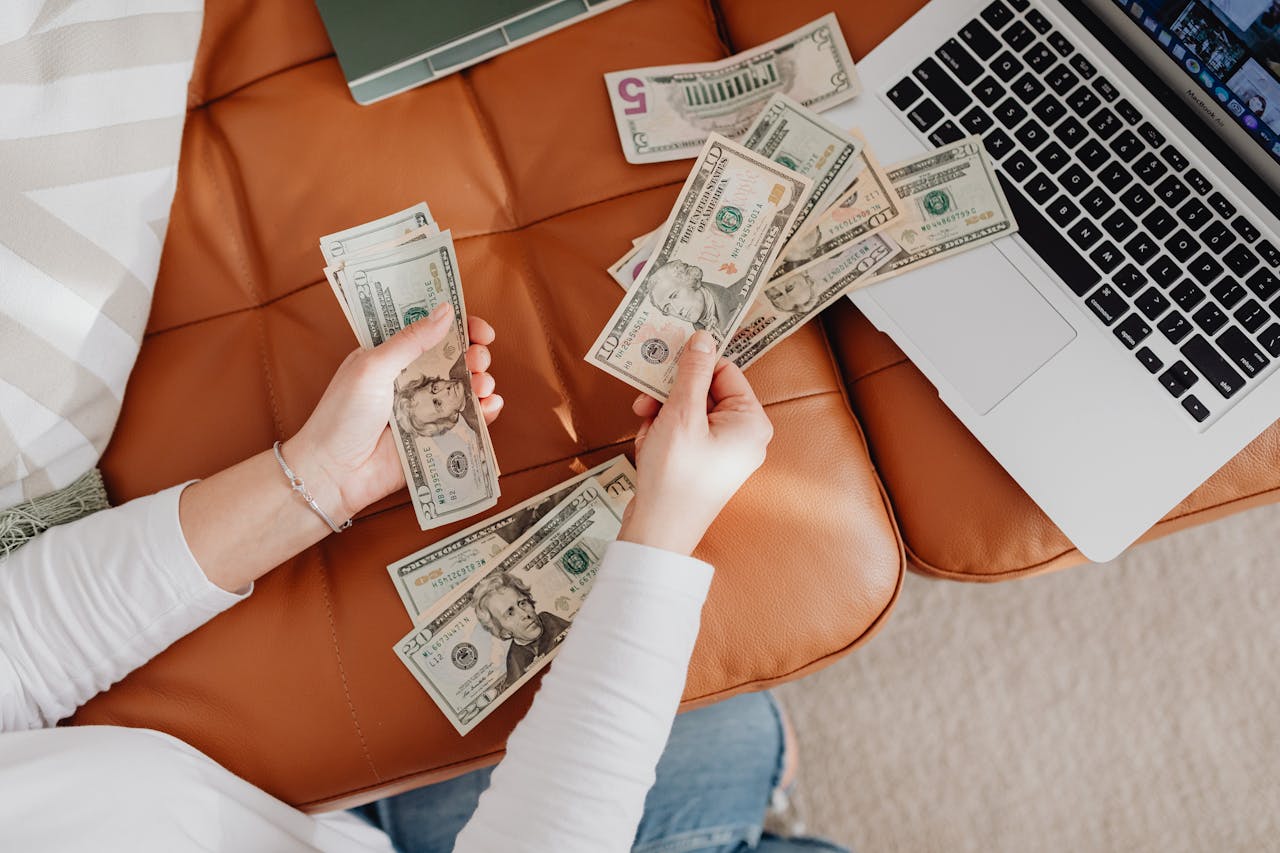
Comprehensive data compiled from extensive research on cashback rewards, loyalty program performance, and customer retention trends
Cashback programs have evolved into essential retention solutions for ecommerce brands competing in saturated markets where customer acquisition costs continue to rise. Modern solutions like Rivo enable brands to implement automated cashback rewards that integrate directly with checkout flows, delivering measurable improvements in repeat purchase rates and customer lifetime value. The following statistics demonstrate why cashback functionality has become table stakes for retention-focused brands and how leading DTC companies leverage cashback mechanics to drive sustainable growth.
Key Takeaways
- Cashback market growth accelerates – The global cash back and rewards app market is valued at $4.14 billion in 2025, projected to reach $7.73 billion by 2034 at a 7.20% CAGR, signaling massive opportunity for brands implementing cashback rewards
- Consumer preference for cashback dominates – 53% of US consumers name cashback rewards as their favorite loyalty program option, with 70% more likely to shop at stores offering cashback, making it essential for retention strategies
- ROI performance proves program value – Loyalty programs generate 5.2x more revenue than their cost, with 83% of program owners reporting positive ROI, validating investment in modern retention apps
- Repeat purchase rates surge with cashback – Ecommerce apps offering cashback rewards see 20% higher repeat purchase rates and 22% more returning customers, directly impacting customer lifetime value
- Mobile access dominates user behavior – 78% of users access cashback programs via mobile devices, with mobile transactions accounting for 65% of all cashback purchases, requiring mobile-first program design
Cashback Market Size and Growth
1. Global cash back and rewards app market valued at $4.14 billion in 2026
The cashback industry has reached significant scale, with the global market hitting $4.14 billion in 2025. This valuation reflects growing consumer adoption and retailer investment in cashback as a primary retention mechanism. For brands building loyalty programs on solutions like Shopify, this market size validates the strategic importance of cashback functionality. The market's billion-dollar scale demonstrates that cashback has moved beyond experimental tactics into proven retention infrastructure. Leading ecommerce solutions now treat cashback programs as core features rather than optional add-ons, responding to both consumer demand and demonstrated ROI metrics. Source: Precedence Research
2. Market projected to reach $7.73 billion by 2034 at 7.20% CAGR
Growth projections show the cashback app market nearly doubling over the next decade, expanding at a compound annual growth rate of 7.20%. This sustained growth trajectory indicates cashback programs will remain central to ecommerce retention strategies for years to come. The projected expansion outpaces general ecommerce growth rates, suggesting increasing penetration of cashback functionality across brands and categories. Apps offering automated cashback features position brands to capitalize on this growth without requiring ongoing implementation work. Source: Precedence Research
3. Over 350 million active users globally use cash-back apps
Cash-back apps have achieved mass adoption, with more than 350 million active users worldwide as of 2024. This user base represents a substantial audience already conditioned to expect and engage with cashback rewards. Consumer familiarity with cashback mechanics reduces implementation friction for brands launching programs. The established behavior patterns mean brands can deploy cashback features with confidence that customers understand and will engage with the reward structure. Source: Market Growth Reports
4. More than 160 million US consumers used a cash-back app in the past year
The American market shows particularly strong adoption, with over 160 million people using at least one cash-back app annually. For brands targeting US consumers, cashback functionality aligns with established shopping behaviors. Nearly half of the US population engages with cashback programs, making it a mainstream expectation rather than a niche feature. Brands operating without cashback capabilities risk competitive disadvantage as consumer baseline expectations shift. Source: Market Growth Reports
Consumer Preferences and Purchase Behavior
5. 53% of US consumers name cashback as their favorite loyalty program option
More than half of American consumers prefer cashback over other loyalty reward types. This preference makes cashback functionality a competitive advantage for brands building retention programs on solutions like Rivo. The majority preference for cashback over points, discounts, or experiential rewards reflects consumer desire for tangible, flexible value. Unlike points that expire or require specific redemption mechanics, cashback provides universal value that customers can apply to any future purchase. Source: Statista
6. 66% of shoppers say cashback offers significantly impact where they make purchases
Cashback influences retailer selection for two-thirds of consumers, according to RetailMeNot research. This impact on purchase decisions positions cashback as a primary factor in customer acquisition and retention. The two-thirds influence rate demonstrates that cashback programs function as competitive differentiators rather than incremental features. Brands can leverage cashback positioning in acquisition messaging to convert first-time shoppers into program members. Source: ResearchGate
7. 73% of consumers eager to actively redeem cashback rewards
Consumer engagement with cashback programs remains high, with nearly three-quarters actively looking to redeem their accumulated rewards. This engagement level indicates cashback programs generate ongoing customer touchpoints. The high redemption intent validates cashback program economics by ensuring members return to claim earned value. Solutions like Rivo enable automated redemption mechanics that allow customers to apply cashback directly at checkout, reducing friction and accelerating redemption cycles. Source: Forbes
Program Performance and Business Impact
8. Ecommerce apps with cashback rewards see 20% higher repeat purchase rates
Repeat purchase behavior improves substantially when cashback rewards are offered. The 20% lift in repeat purchase rates directly impacts customer lifetime value and long-term revenue. The repeat purchase improvement compounds over customer relationships, creating exponential value gains as retention extends. Brands implementing cashback programs through solutions like Rivo report measurable improvements in 90-day repeat purchase rates within the first program quarter. Source: Rivo’s Best Rewards Programs
9. Tiered cashback rewards generate 28% increase in average order value
Structuring cashback rewards in tiers based on purchase value drives significant AOV improvements. The 28% lift demonstrates how strategic program design amplifies revenue impact beyond simple retention benefits.
Tiered structures create aspiration mechanics where customers add items to reach higher cashback thresholds, increasing basket sizes without requiring discount-driven promotions. Modern loyalty apps enable brands to configure spend-based tiers that activate automatically at checkout. Source: Market Reports World
10. Ecommerce businesses see 22% rise in returning customers with leading cashback programs
Customer return rates increase substantially when brands implement effective cashback strategies. This 22% improvement in returning customer rates compounds over time into significant revenue gains.
The returning customer lift demonstrates cashback's effectiveness as a retention mechanism that drives repeat engagement without requiring ongoing promotional spend. Forrester Research data shows that increasing customer retention rates by just 5% can boost profits by 25-95%. Source: Credence Research
11. Cashback websites contributed $2 billion increase in consumer spending annually
The aggregate impact of cashback programs on consumer spending reaches $2 billion annually. This spending lift represents new revenue generated through cashback incentives rather than displacement from other channels. The incremental spending demonstrates that cashback programs create net-new purchase activity rather than simply shifting existing budgets. The economic stimulus effect occurs because cashback rewards incentivize purchases that might otherwise be delayed or abandoned. Source: ScienceDirect
Mobile Adoption and Technology Trends
12. Mobile transactions account for 65% of all cashback website purchases
Beyond access, mobile devices generate the majority of actual purchases through cashback programs. The 65% transaction share emphasizes mobile commerce integration requirements.
The mobile transaction majority validates investment in mobile-first program design including app-based experiences, mobile wallet integration, and responsive checkout flows. Apps should prioritize mobile performance metrics when evaluating cashback program effectiveness. Source: ResearchGate
13. Mobile users redeem cashback offers 20% more frequently than desktop users
Engagement intensity increases on mobile, with users redeeming offers at 20% higher rates than desktop counterparts. This behavior suggests mobile-first program design drives higher participation. The redemption rate advantage stems from mobile's immediacy and convenience, enabling customers to claim cashback during micro-moments rather than requiring dedicated desktop sessions. Push notifications and mobile app features further amplify engagement rates. Source: Market Reports World
14. AI-powered personalization increases repeat engagement by 37%
Apps implementing AI and machine learning offer customization and see significant engagement improvements. The 37% lift in repeat engagement demonstrates the value of personalized cashback experiences.
Personalization engines analyze purchase history, browsing behavior, and category preferences to surface relevant cashback offers that match individual customer interests. Statista research confirms that personalized experiences drive 20-40% higher engagement rates across digital channels. Source: Market Growth Reports
Loyalty Program ROI and Retention Economics
15. 83% of loyalty program owners report positive ROI, generating 5.2x revenue vs. cost
The vast majority of brands measuring loyalty program performance see positive returns, with revenue exceeding costs by 5.2 times on average. This ROI validates loyalty program investment for ecommerce brands. The 5.2x return multiple demonstrates that loyalty programs generate substantial profit after accounting for app costs, reward fulfillment, and operational overhead. Brands implementing programs on solutions like Rivo can track ROI through integrated analytics that measure incremental revenue versus program costs. Source: Rivo
16. A 5% increase in customer retention correlates with at least 25% increase in profit
Retention economics remain compelling, with small improvements in retention rates driving disproportionate profit gains. The 25% profit increase from just 5% better retention demonstrates leverage in loyalty investments. The disproportionate profit impact stems from reduced acquisition costs, higher lifetime values, and increased operational efficiency when serving existing customers versus acquiring new ones. Bain & Company research pioneered this retention-profit correlation, which continues to validate loyalty investment across industries. Source: Harvard Business Review
17. Members of loyalty programs generate 12-18% more incremental revenue growth
Loyalty program members contribute significantly more revenue growth than non-members. This 12-18% incremental growth compounds over customer relationships, amplifying program value. The incremental revenue stems from higher purchase frequency, larger basket sizes, and extended relationship duration among enrolled members. Brands can accelerate this growth by implementing tiered programs that reward increasing engagement with enhanced benefits. Source: Rivo
Program Adoption and Market Penetration
18. Average American consumer belongs to 16.7 loyalty programs
Program membership has reached saturation levels, with typical US consumers enrolled in nearly 17 different loyalty programs. This volume creates competition for mindshare and emphasizes the need for differentiated program experiences. The enrollment saturation means brands cannot rely on program availability alone for competitive advantage. Differentiation comes from program design quality, reward value, and user experience rather than simply offering a loyalty program. Source: Statista
19. 81% of members prefer brands offering reward customization
Consumer preference strongly favors customizable reward programs. The 81% preference rate indicates that flexible, personalized programs outperform rigid point structures in member satisfaction. Customization enables customers to choose reward types matching their preferences, whether cashback, discounts, free products, or experiential benefits. Apps offering flexible reward configuration allow brands to accommodate diverse customer preferences within a single program structure. Source: Shopify - The Future of Personalization
Frequently Asked Questions
What is the average ROI for a customer loyalty program?
Loyalty programs that measure ROI report generating 5.2 times more revenue than they cost, with 83% of program owners seeing positive returns. For ecommerce brands, modern solutions like Rivo enable these returns through fully customizable cashback and points programs integrated directly into checkout. The strong ROI stems from improved retention rates, higher purchase frequency, and increased average order values among program members compared to non-enrolled customers.
How do cashback programs impact repeat purchase rates?
Ecommerce apps offering cashback rewards see 20% higher repeat purchase rates compared to those without programs. This improvement stems from the tangible value cashback provides, creating ongoing incentives for customers to return rather than shop competitors. The repeat purchase lift translates directly into higher customer lifetime value and improved retention economics, with research showing that a 5% increase in retention can drive 25% or more profit growth.
What percentage of consumers prefer cashback over other reward types?
53% of US consumers name cashback as their favorite loyalty program option, making it the preferred reward type. This preference, combined with 70% of consumers being more likely to shop at stores offering cashback, makes the functionality essential for retention-focused brands. Cashback's universal appeal stems from its flexibility and tangible value compared to points systems that require specific redemption mechanics or impose usage restrictions.
How important is mobile optimization for cashback programs?
Mobile dominates cashback engagement, with 78% of users accessing programs via mobile devices and 65% of transactions occurring on mobile. Programs not optimized for mobile miss the majority of engagement opportunities and risk lower redemption rates. Mobile users also redeem cashback offers 20% more frequently than desktop users, demonstrating that mobile-first design drives higher program participation and faster reward cycles.
Can cashback programs increase average order value?
Yes. Retailers implementing tiered cashback rewards based on purchase value see a 28% increase in average order value. Strategic program design that incentivizes higher spending thresholds drives this AOV lift beyond simple retention benefits. Tiered structures create natural purchase optimization behavior as customers add items to reach cashback thresholds, increasing basket sizes without requiring discount-driven promotions that erode margins."