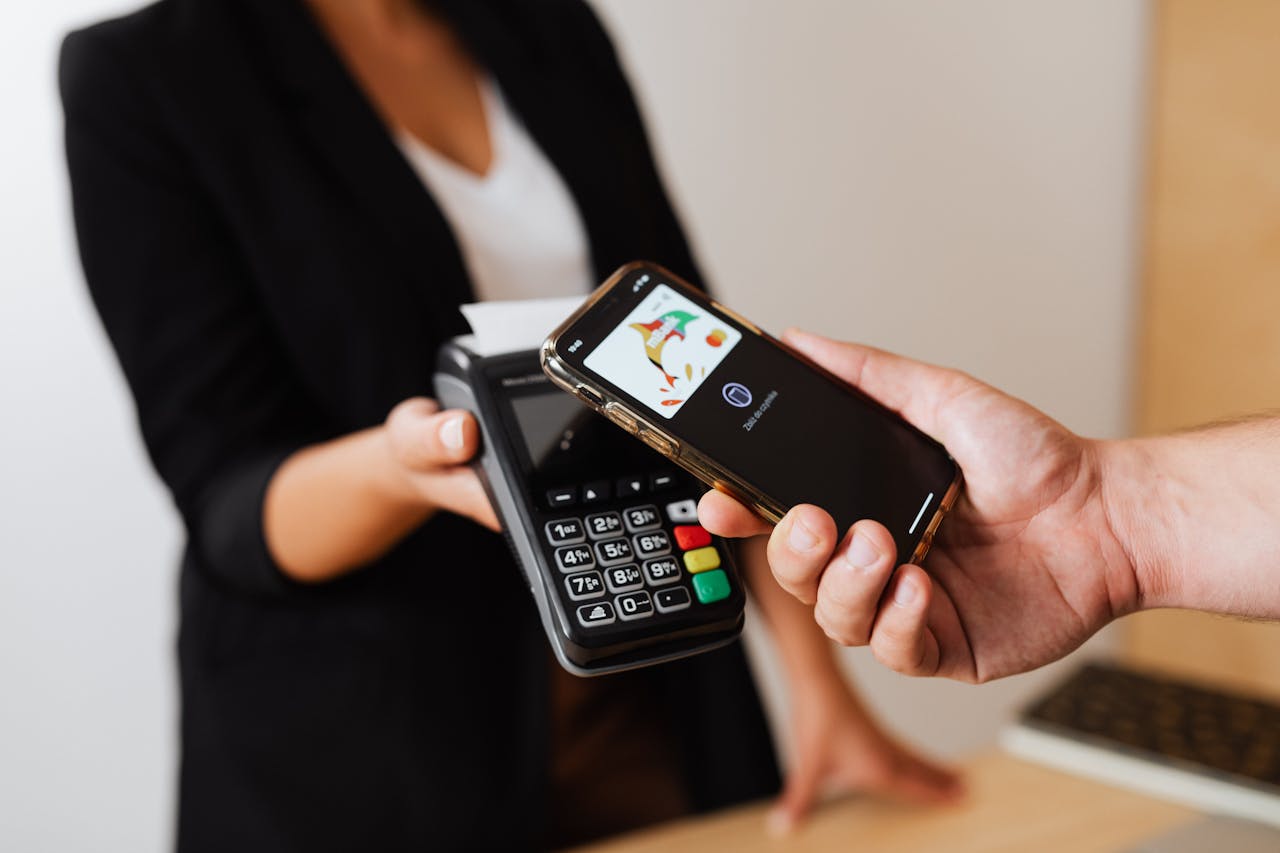
Comprehensive data on digital wallet adoption, consumer spending behavior, and the retention opportunities wallet passes create for Shopify brands
Digital wallets have transformed from emerging technology to dominant payment infrastructure in e-commerce. Modern solutions like Rivo enable brands to leverage wallet passes for loyalty programs, store credit, and VIP membership access, creating persistent touchpoints on customer devices. The following statistics demonstrate the market opportunity, consumer behavior patterns, and retention advantages wallet pass integration provides for brands building modern retention strategies.
Key Takeaways
- Digital wallets dominate e-commerce payments – Digital wallets captured 53% of global online purchases in 2024, more than double the 20% share held by credit cards, signaling a permanent shift in consumer payment preferences
- Wallet users spend significantly more – Digital wallet users spend 31% more than non-users across retail categories, creating measurable revenue lift for brands integrating wallet passes into their retention strategies
- Consumer expectations have shifted – 51% of digital wallet users have stopped shopping with merchants that only accept traditional payment methods, making wallet integration a competitive requirement rather than optional feature
- Loyalty integration drives engagement – 51% of consumers express interest in using digital wallets for loyalty program management and exclusive promotions, creating opportunities for brands using solutions like Rivo's Wallet Passes to unify payments and rewards
- Gen Z leads adoption – 91% of Americans aged 18-26 use digital wallets as their primary payment method, while 78% of Gen Z consumers won't shop at stores without digital wallet options
- Transaction volumes continue accelerating – Global digital wallet transaction value reached $10 trillion in 2024 and will grow 73% to $17 trillion by 2029, representing massive market expansion
- Mobile convenience drives preference – 74% of U.S. consumers cite easier and faster checkouts as their primary reason for using digital wallets, making frictionless experiences essential for conversion optimization
- Market growth remains strong – The mobile wallet market is valued at $266.85 billion in 2025 and projected to reach $638.54 billion by 2030, growing at 19.06% CAGR
Digital Wallet Market Size and Growth
1. Global digital wallet users reached 4.3 billion in 2026
Digital wallets now serve 52.9% of the global population, establishing mobile payment as a mainstream consumer behavior rather than emerging technology. This adoption level creates baseline expectations for e-commerce experiences across demographics and geographies. This majority adoption means wallet-based engagement has moved beyond early-adopter segments into mass-market consumer behavior. Brands building retention strategies around wallet passes tap into established usage patterns rather than requiring customers to adopt new technologies. The scale of adoption creates network effects that accelerate consumer comfort with wallet-based loyalty programs and digital membership cards. Source: Juniper Research
2. Digital wallet users expected to grow 35% to reach 5.8 billion by 2029
Within five years, 68% of the global population will use digital wallets, accelerating the urgency for brands to integrate wallet-based loyalty and retention tools. Platforms built for Shopify Plus enable brands to capture this growth through native wallet pass functionality.
This projected growth represents an additional 1.5 billion users entering the digital wallet ecosystem over five years. Brands implementing wallet pass strategies now position themselves ahead of this adoption curve rather than reacting to market shifts. The expansion will particularly accelerate in emerging markets where mobile-first commerce dominates, creating global opportunities for wallet-enabled retention programs. Source: Juniper Research
3. Global digital wallet transaction value was $10 trillion in 2026
Transaction volume at this scale demonstrates digital wallets have moved beyond early adoption into dominant payment infrastructure. Brands leveraging wallet passes for loyalty rewards and store credit tap into established consumer behavior patterns. The $10 trillion transaction volume surpasses many national GDPs, illustrating the economic significance of wallet-based commerce. This volume creates substantial opportunities for brands to engage customers through wallet pass notifications, loyalty point reminders, and VIP status updates delivered directly to the payment interface customers use daily. Transaction scale validates investment in wallet pass infrastructure as engaging with mainstream payment behavior. Source: Capital One Shopping
4. Digital wallet transactions projected to reach $17 trillion by 2029
A 73% increase from 2024 levels positions wallet-based payments as the primary growth vector in e-commerce. Brands building loyalty programs with wallet pass integration position themselves to capture this transaction volume growth.
This growth trajectory outpaces overall e-commerce expansion, indicating wallet payments are capturing share from traditional methods rather than simply riding market growth. The $7 trillion increase in transaction value over five years represents a massive opportunity for brands with retention infrastructure aligned to wallet-based commerce. Early implementation of wallet pass loyalty programs enables brands to benefit from this multi-year growth trend. Source: Juniper Research
5. Mobile wallet market valued at $266.85 billion in 2026
Current market valuation reflects both consumer adoption and merchant infrastructure investment. Shopify Plus brands accessing wallet pass capabilities through modern retention platforms participate in this market expansion without building custom solutions. Market valuation at this scale indicates mature infrastructure supporting wallet-based commerce across payment processing, loyalty integration, and digital credential management. Brands leveraging platforms like Rivo access enterprise-grade wallet pass capabilities without direct infrastructure investment, enabling participation in this market opportunity through accessible SaaS solutions. The valuation growth demonstrates sustained investor and merchant confidence in wallet-based commerce. Source: Mordor Intelligence
6. Mobile wallet market growing at 19.06% CAGR through 2030
Projected growth to $638.54 billion by 2030 indicates sustained momentum rather than temporary trend. E-commerce brands integrating wallet passes into their retention strategies align with multi-year market trajectory. Source: Mordor Intelligence
E-commerce Adoption and Payment Share
7. Digital wallets captured 53% of global online purchases in 2026
More than twice the 20% share captured by credit cards, digital wallets have become the default payment method for e-commerce transactions worldwide. This dominance makes wallet-based loyalty integration essential for brands prioritizing customer convenience. Source: Capital One Shopping
8. Digital wallets expected to account for 65% of global online payments by 2030
Growing from 53% to 65% market share represents continued displacement of traditional payment methods. Brands building retention infrastructure around wallet passes align with where consumer behavior is heading, not where it has been. The projected 12-percentage-point increase extends wallet dominance beyond simple majority to overwhelming preference. This trajectory indicates traditional payment methods will become minority options rather than primary payment infrastructure. Brands implementing wallet pass loyalty programs now prepare for a commerce environment where two-thirds of transactions occur through wallets, positioning retention touchpoints where customer engagement naturally happens. Source: Capital One Shopping
9. 39% of U.S. e-commerce transactions made using digital wallets
While lower than global averages, U.S. digital wallet share continues growing toward the 52% projected by 2030. Early-adopting Shopify brands gain competitive advantage as this transition accelerates. The U.S. market's lower adoption rate compared to global averages presents a catch-up growth opportunity as American consumers adopt wallet behaviors common in Asia and Europe. This adoption gap means U.S. brands implementing wallet pass strategies enter growing markets with substantial runway for expansion. The projected increase to 52% represents a significant share shift from traditional payment methods over the next five years. Source: Capital One Shopping
10. Digital wallets accounted for $13.9 trillion in 2026
Representing 50% of e-commerce and 30% of point-of-sale consumer spend, wallet penetration extends across both online and physical retail channels. Brands using omnichannel loyalty platforms can engage customers through wallet passes regardless of purchase location. The cross-channel penetration demonstrates wallet passes serve unified engagement functions across online and offline commerce. This omnichannel capability enables brands to deliver consistent loyalty experiences whether customers shop through e-commerce sites, mobile apps, or physical retail locations. Wallet passes eliminate channel-specific loyalty silos by providing single digital credential usable across all purchase contexts. Source: Worldpay Global Payments Report
11. Digital wallets account for 83% of global digital payment volume
Beyond transaction value, wallet dominance in payment volume indicates consumer preference for wallet-based checkout across transaction sizes. This behavior pattern extends to loyalty point redemption and store credit usage within wallet interfaces.
The volume share exceeding value share suggests wallets dominate both high-value and everyday transactions rather than serving niche use cases. This universal adoption across transaction types validates wallet passes as comprehensive retention tools rather than premium-customer-only features. Brands can confidently implement wallet pass loyalty programs knowing customers use wallets for transactions spanning all price points and purchase frequencies. Source: Datos Insights
Consumer Behavior and Preferences
12. 57% of U.S. adults use digital wallets as of 2026
Majority adoption among American adults establishes digital wallets as mainstream payment infrastructure. Brands without wallet-based engagement tools exclude themselves from how most customers prefer to transact. Crossing the 50% threshold transitions wallets from growing technology to established consumer behavior baseline. This majority adoption means wallet pass loyalty programs engage customers through familiar interfaces rather than introducing unfamiliar experiences. Brands can implement wallet strategies confident that customer education requirements are minimal due to widespread existing wallet familiarity. Source: Capital One Shopping
13. 65% of U.S. adults were using digital wallets by mid-2026
An 8-percentage-point increase from 57% in 2024 demonstrates accelerating adoption momentum. This growth rate suggests brands have limited runway before wallet integration becomes table stakes for customer engagement. The rapid year-over-year adoption increase indicates accelerating rather than plateauing growth, suggesting U.S. wallet adoption will converge with higher global rates. Brands delaying wallet pass implementation face shrinking competitive advantage windows as wallet capabilities become expected features rather than differentiators. The acceleration validates wallet passes as current priority rather than future consideration. Source: Cheqly
14. 51% of digital wallet users stopped shopping with merchants only accepting traditional payments
Customer attrition driven by payment method availability represents preventable revenue loss. Brands offering wallet passes for loyalty rewards, store credit, and membership benefits maintain engagement with this majority segment. The majority churn rate among wallet users encountering wallet-incompatible merchants demonstrates payment method availability directly impacts customer retention. This attrition extends beyond payment processing to engagement expectations including wallet-based loyalty access. Brands implementing comprehensive wallet pass strategies address both transaction convenience and retention touchpoint preferences that drive this customer behavior. Source: Capital One Shopping
15. 74% of U.S. consumers cite easier and faster checkouts as primary reason for digital wallet use
Convenience drives wallet adoption more than security or rewards. Retention platforms integrating loyalty redemption directly into wallet-based checkout reduce friction at the moment of purchase. The convenience focus reveals wallet passes succeed by eliminating steps rather than adding features. Brands implementing wallet pass loyalty programs should prioritize seamless redemption flows that reduce checkout friction rather than complex point accumulation mechanics. This finding validates platforms like Rivo that integrate loyalty directly into native checkout flows where customers already transact. Source: McKinsey
16. 71% of consumers more likely to complete purchases when preferred digital payment method is available
Conversion rate impact from payment method availability creates measurable ROI for wallet integration. Brands offering wallet passes give customers their preferred payment context for loyalty engagement. The conversion lift demonstrates payment method availability directly impacts bottom-line revenue through reduced cart abandonment. Wallet pass loyalty programs benefit from this conversion advantage by operating within the preferred payment environment customers already use. This finding validates wallet passes as conversion optimization tools beyond traditional retention mechanics. Source: Primer
17. 92% of U.S. consumers made at least one digital payment in the past year
Near-universal digital payment experience means customer familiarity with wallet interfaces is already established. Loyalty programs leveraging wallet passes meet customers in familiar territory rather than requiring new behavior adoption. The penetration rate approaching universality eliminates customer education as an implementation barrier for wallet pass loyalty programs. Brands can deploy wallet passes confident that the vast majority of customers already understand wallet interfaces and notification mechanisms. This familiarity accelerates program adoption and reduces onboarding friction compared to custom loyalty app requirements. Source: McKinsey
Spending Patterns and Revenue Impact
18. Digital wallet users spend 31% more than non-users across retail categories
This spending differential represents a significant revenue opportunity for brands engaging wallet users through integrated loyalty experiences. Wallet passes connecting rewards to payment behavior capitalize on this higher-spending segment. The substantial spending premium indicates wallet users represent higher-value customer segments worth targeting with enhanced loyalty programs. Brands implementing wallet pass strategies concentrate retention investment on demonstrably higher-spending customers while maintaining accessible engagement for other segments. This spending correlation validates wallet passes as tools for maximizing customer lifetime value among top-spending cohorts. Source: PYMNTS
19. Digital wallet users spend 12.8% more than debit card users and 51.1% more than cash users
Payment method correlates strongly with purchase value, making wallet-engaged customers more valuable than those using traditional payment methods. Retention strategies prioritizing wallet pass adoption target higher-value customer segments. The tiered spending differences across payment methods reveal wallet adoption signals broader customer value characteristics beyond payment preference. Brands can use wallet pass enrollment as a proxy indicator for higher customer lifetime value potential. The dramatic spread between wallet and cash users suggests payment modernization correlates with overall customer value and engagement levels. Source: Capital One Shopping
20. U.S. mobile payment users spent an average of $3,693 in 2026
An 87% increase from 2020 spending levels demonstrates accelerating transaction values among wallet users. Brands capturing this spending through loyalty-enabled wallet passes benefit from continued growth trajectory. The average spending level and rapid growth rate indicate wallet users represent premium customer segments worth targeted retention investment. The 87% growth over four years significantly outpaces inflation and overall e-commerce growth, suggesting wallet adoption correlates with increased purchase frequency or higher transaction values. Brands implementing wallet pass loyalty programs position themselves to capture ongoing spending growth within this high-value segment. Source: Capital One Shopping
21. Consumers starting purchases through BNPL marketplaces spend 1.5 to 2 times more
Shopping journey origin point significantly impacts transaction value. Wallet pass notifications initiating purchase journeys can capture similar engagement lift for loyalty-enabled brands. The spending multiplier from BNPL marketplace origination demonstrates how entry point influences transaction size. Wallet passes delivering timely notifications about available loyalty rewards or expiring points can similarly initiate shopping sessions with higher transaction intent. Brands leveraging wallet pass notification capabilities create purchase triggers that benefit from the engagement lift seen in marketplace-originated sessions. Source: McKinsey
Generational Adoption Patterns
22. 91% of Americans aged 18-26 used digital wallets as primary payment method in 2026
Gen Z has effectively defaulted to wallet-based payments, making traditional payment-only experiences irrelevant to this demographic. Brands building loyalty programs for younger consumers require wallet pass integration. The near-universal adoption among Gen Z establishes wallets as baseline expectation rather than progressive features for this demographic. Brands targeting Gen Z customers risk fundamental misalignment with payment preferences without wallet pass capabilities. This adoption level means Gen Z loyalty program success depends on wallet integration rather than email or app-based engagement alone. Source: Capital One Shopping
23. 79% of Gen Z consumers use digital wallets for payments
Wallet usage among Gen Z exceeds all other generations, establishing baseline expectations for how this demographic engages with retail brands. Wallet passes become essential touchpoints for Gen Z loyalty engagement. The generational adoption gap demonstrates younger consumers have skipped traditional payment evolution and adopted mobile-first transaction behaviors. Brands must recognize this generational divide means one-size-fits-all retention strategies fail to meet Gen Z expectations. Wallet pass implementation becomes non-negotiable for brands where Gen Z represents significant customer segments or growth targets. Source: LISNR
24. 78% of Gen Z won't shop at stores where they can't use digital wallets
Active avoidance of wallet-incompatible merchants creates customer acquisition barriers for brands without digital wallet support. Wallet pass-enabled loyalty programs prevent exclusion from this growing consumer segment.
The active merchant rejection based solely on wallet availability demonstrates payment method has become competitive differentiator rather than operational detail for Gen Z. Brands without wallet capabilities face systematic exclusion from consideration sets among the majority of Gen Z shoppers. This behavior validates wallet pass implementation as customer acquisition requirement for brands targeting younger demographics. Source: Cheqly
Loyalty and Rewards Integration
25. U.S. consumers held an average of 17.9 loyalty program memberships in 2026
Record-high membership counts indicate consumer appetite for loyalty benefits, but also increased competition for attention. Wallet consolidating loyalty access into daily-use applications improves program visibility among competing memberships. The high membership average demonstrates customers actively seek loyalty benefits but face management challenges across numerous programs. Wallet passes solve this fragmentation by delivering loyalty access through centralized wallet interfaces customers use regardless of brand. This consolidation advantage helps brands maintain top-of-mind awareness despite high membership competition. Source: LISNR
26. 25% of consumers indicate rewards and offers drive payment choice
One in four consumers actively selects payment methods based on rewards availability. Wallet passes surfacing loyalty benefits at payment decision moments influence this behavior segment directly. The quarter of consumers making payment decisions based on rewards represent a high-engagement segment likely to respond to wallet pass loyalty integration. Brands surfacing loyalty benefits through wallet passes during checkout capture attention from reward-motivated customers at decision moments. This behavior validates loyalty-enabled wallet passes as conversion tools beyond post-purchase retention mechanics. Source: McKinsey Digital Payments Survey
Frequently Asked Questions
What are digital wallet passes and how do they differ from mobile payment apps?
Digital wallet passes are digital representations of loyalty cards, store credit, membership benefits, or promotional offers stored within wallet applications like Apple Wallet or Google Wallet. Unlike mobile payment apps focused solely on transactions, wallet passes provide ongoing brand touchpoints through notifications, location-based alerts, and quick-access loyalty information. E-commerce brands use wallet passes to maintain customer engagement between purchases and surface relevant offers at decision moments.
How can e-commerce brands use wallet passes to improve customer retention?
Wallet passes create persistent brand presence on customer devices, delivering loyalty point balances, exclusive member offers, and store credit notifications directly to mobile wallets. Brands integrate wallet passes with loyalty programs to surface rewards at checkout, send push notifications about expiring points, and provide VIP tier status updates. This constant accessibility increases redemption rates and repeat purchase frequency compared to email-only loyalty communications.
What statistics demonstrate the effectiveness of digital wallet passes in e-commerce?
Digital wallet users spend 31% more than non-users across retail categories and are 71% more likely to complete purchases when preferred payment methods are available. With 51% of consumers interested in wallet-based loyalty management and 53% of global e-commerce transactions already processed through digital wallets, the data supports wallet pass integration as both consumer preference and revenue driver.
Does Rivo offer solutions for integrating wallet passes into a Shopify store?
Rivo introduced Wallet Passes in its Fall 2025 product release as part of its modern retention platform built exclusively for Shopify and Shopify Plus merchants. The feature integrates with Rivo Loyalty, allowing brands to deliver points balances, VIP tier status, and store credit access through customer wallet applications. This native Shopify integration uses theme app extensions and checkout extensions for seamless implementation without legacy workarounds.
Which consumer demographics benefit most from wallet pass loyalty programs?
Gen Z consumers show strongest wallet adoption at 91% primary usage rates, with 78% refusing to shop at merchants without digital wallet options. Millennials follow closely at 59% wallet preference. High-income consumers earning $100K+ show 59% interest in wallet-based loyalty management. Brands targeting these demographics gain competitive advantage through wallet pass-enabled retention strategies, particularly in beauty, fashion, and DTC verticals where Rivo case studies demonstrate measurable results."