Referral programs give travel and hospitality brands a direct way to turn satisfied customers into advocates. In Nielsen’s 2021 trust-in-advertising research, 88% of global respondents said they trusted recommendations from people they knew more than any other channel. Referral economics still vary substantially by business, so brands should measure their own acquisition cost, conversion rate, booking value, and repeat behavior rather than rely on generic industry benchmarks.
The examples below include active consumer referrals, partner referrals, credit-card referrals, referral software, and loyalty programs with shareable benefits. Each entry identifies the program type so brands can distinguish a true referral offer from a broader loyalty model.
Key Takeaways
- Personal recommendations remain a highly trusted marketing channel, but trust does not guarantee a specific reduction in acquisition cost or increase in booking value.
- Reward amounts, eligibility, and availability can vary by location, account, booking type, and promotional period.
- Strong programs clearly define the qualifying action, such as account activation, card approval, a completed stay, or a fulfilled Shopify order.
- Two-sided rewards can make an invitation more attractive because both the advocate and the new customer receive value.
- Not every loyalty program is a referral program. Hilton Honors, Delta SkyMiles, and World of Hyatt are included as loyalty-design benchmarks rather than active general consumer referrals.
1) Rivo
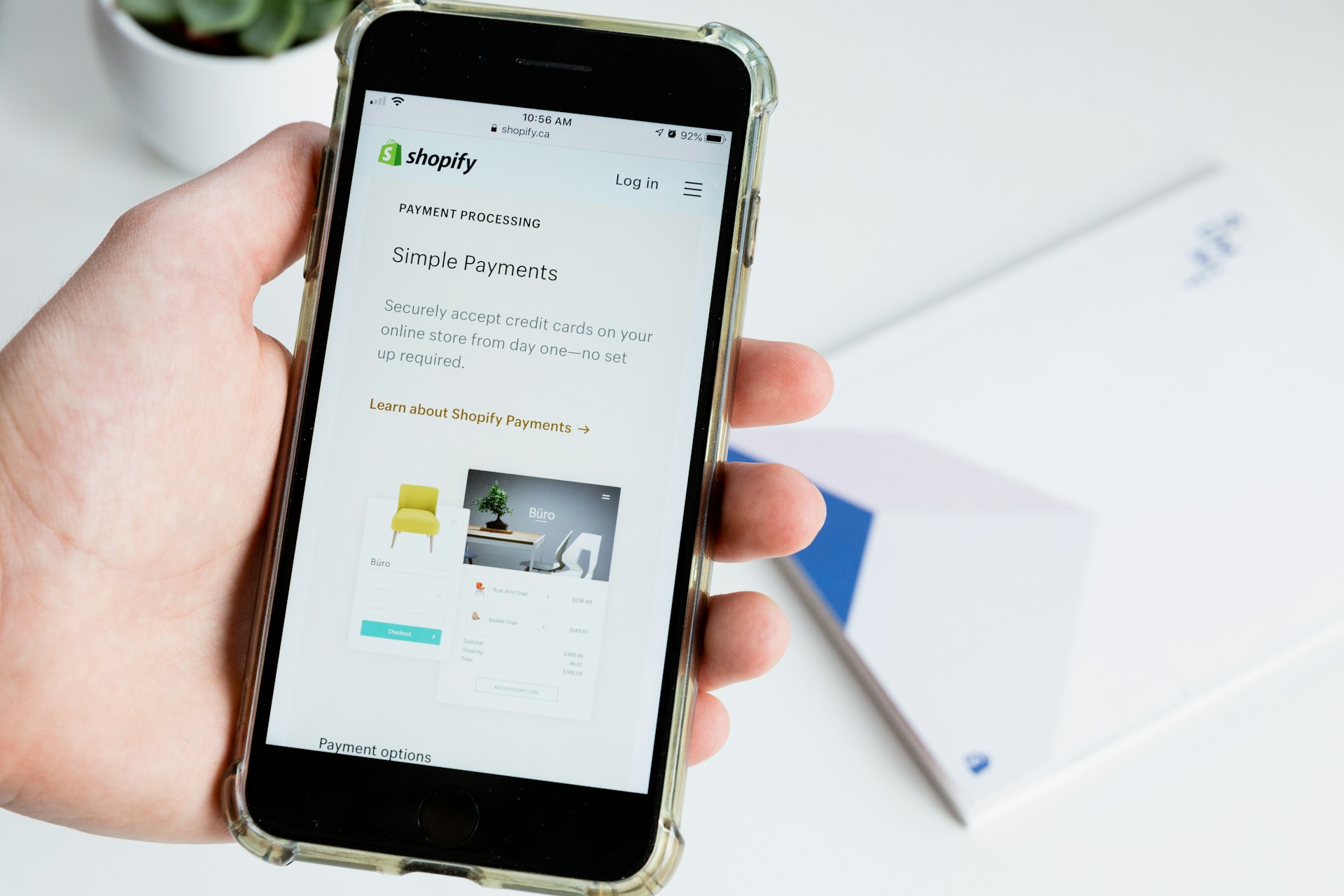
Program definition: Rivo is a Shopify retention platform that supports loyalty, referrals, memberships, customer accounts, cashback, store credit, wallet passes, and related retention tools. Its Shopify referral program is designed for brands that sell products, memberships, or experiences through Shopify and Shopify Plus.
How it works: Merchants can create white-labeled referral pages, give customers unique referral codes, configure tiered advocate rewards, and reward referred customers after qualifying Shopify purchases. Reward types include fixed-amount discounts, percentage discounts, free shipping, and free products. These incentives can apply to travel merchandise, memberships, or bookable experiences when those purchases are processed through Shopify.
Key features:
- Unique referral codes and branded sharing experiences
- Tiered advocate rewards and custom referral ideas
- IP monitoring, self-referral blocking, cookie tracking, new-customer verification, minimum-cart rules, and order-fulfillment checks
- Integration with Rivo’s Shopify loyalty program
- Scale pricing from $49+ per month, Plus at $499 per month, and custom Enterprise pricing, with month-to-month billing
Rivo reports a 52x weighted median ROI across selected case studies and a 3.1x repeat-purchase-rate improvement in company materials. These are company-reported aggregates rather than independent industry benchmarks. Its HexClad case study reports more than $450,000 in referral revenue during the first 90 days, a 92x ROI, and a 17% increase in AOV from referred customers.
Best lesson for travel brands: Use a configurable referral platform when the booking, membership, experience, or merchandise transaction already runs through Shopify. Confirm that each planned reward and booking flow is supported before launch.
2) Airbnb
Program definition: Airbnb operates current guest and host referral programs, but availability and rewards depend on the participant’s country, account, listing type, and current offer. The Guest Referral Program is currently available to eligible residents of Brazil, mainland China, India, Japan, Malaysia, the Philippines, Singapore, and South Korea.
How it works: An eligible guest shares a referral link with a new Airbnb user. The referred user receives a coupon for a first qualifying stay, and the referrer receives travel credits after the referred guest completes the trip. Reward values are displayed in the participant’s dashboard rather than published as a universal fixed amount. Eligible referrers can earn rewards for up to ten successful guest referrals per calendar year.
Key features:
- Two-sided rewards
- Completion-based reward issuance
- Country-specific eligibility
- Separate guest and host referral paths
- Controls against self-referral and fraudulent activity
Best lesson for travel brands: Localize reward values and eligibility rather than assuming one incentive will work equally well across markets.
3) Marriott Bonvoy
Program definition: Marriott Bonvoy’s Refer a Friend program is an active loyalty-enrollment referral program that rewards both an existing member and a newly referred member based on completed stays.
How it works: A member can refer up to five new Marriott Bonvoy members per calendar year. The referrer earns 2,000 bonus points for each of the referred member’s first five qualifying stays, up to 10,000 points per friend and 50,000 points per year. The referred member also earns 2,000 points for each of their first five qualifying stays, up to 10,000 points.
Key features:
- Two-sided points
- Rewards based on completed stays rather than enrollment alone
- Clear annual referral and reward limits
- Integration with the wider Marriott Bonvoy loyalty ecosystem
- Points that can be used across participating Marriott properties and experiences
The referral program demonstrates how an established travel loyalty program can reward both acquisition and subsequent purchasing behavior.
Best lesson for travel brands: Reward the referred customer’s first several completed transactions rather than providing the entire incentive at signup.
4) Booking.com Property Referral Program
Program definition: Booking.com’s former consumer Refer a Friend program ended on October 15, 2019. Its current Property Referral Program is a B2B program for accommodation partners that refer new properties to the platform.
How it works: An eligible Booking.com accommodation partner refers a new property. When the new property completes the required registration and booking steps, both parties can receive five commission-free bookings, subject to a maximum benefit of €200 per successful referral. Referrers can earn rewards for their first ten qualifying property referrals, for a maximum stated value of €2,000.
Key features:
- Partner-to-partner rather than traveler-to-traveler referrals
- Incentive directly connected to OTA commission costs
- Qualification based on an activated property and completed booking
- Limits that control program liability
- Fraud and relationship restrictions in the program terms
Best lesson for travel brands: A referral program can target suppliers, hosts, franchisees, or property partners rather than only end travelers.
5) Hilton Honors
Program definition: Hilton Honors is a hotel loyalty program, not a verified general consumer refer-a-friend program in the official 2026 materials reviewed for this article. It is included as an example of shareable loyalty benefits and broad portfolio participation.
How it works: Members generally earn 10 Base Points per eligible US dollar at many Hilton brands, although several brands have different earning rates. Silver members and above can receive a fifth night free on qualifying reward stays. Hilton also supports points pooling, points transfers, and status gifting for eligible members.
Key features:
- More than 9,000 locations across 27 brands
- Points pooling and transfers
- Fifth Night Free for eligible elite members
- Status gifting at qualifying thresholds
- A broad mix of earning and redemption partners
Best lesson for travel brands: Shareable status, pooled rewards, and transferable benefits can encourage advocacy even when they are not part of a formal refer-a-friend campaign.
6) Chase Sapphire
Program definition: Chase Sapphire Refer a Friend is a credit-card referral program tied to successful card approval rather than a travel booking.
How it works: Chase currently advertises 15,000 bonus points when an eligible Sapphire cardholder refers a friend who is approved for either qualifying Chase Sapphire credit card. The current annual limit is 100,000 referral points. The applicant’s signup offer is determined by the terms shown through the referral application and may change.
Key features:
- Approval-based qualification
- High perceived value for travel-oriented customers
- Personalized referral links
- A clearly stated annual reward cap
- Rewards issued in the same currency used by the card’s travel ecosystem
Best lesson for travel brands: Referral rewards are more compelling when they use the same currency customers already understand and value within the broader program.
7) Hopper
Program definition: Hopper’s Referral Program is an in-app customer referral feature that allows eligible users to invite new customers and receive hotel-related rewards. Feature access and reward terms can vary by account.
How it works: A referred customer must create a new Hopper account, install the app, and redeem the referral code. Both the referrer and the referred customer must have access to the referral feature. After the friend completes the required steps, the applicable hotel reward can be loaded into the Hopper Wallet.
Key features:
- Mobile-first referral flow
- New-account qualification
- Code redemption inside the app
- Wallet-based travel rewards
- Account-specific eligibility and offer terms
Hopper also uses Carrot Cash as a promotional and loyalty currency for eligible prepaid travel purchases, but referral rewards should not be described as a universal fixed Carrot Cash offer unless the user’s current in-app terms say so.
Best lesson for travel brands: Keep the invite, signup, code redemption, and reward-tracking process inside the same mobile experience.
8) EF World Journeys
Program definition: EF World Journeys operates a cross-brand traveler referral program covering EF Ultimate Break, EF Go Ahead Tours, and EF Adventures.
How it works: An eligible traveler refers a new EF World Journeys customer. The referred traveler receives a $100 credit, and the referrer receives a $100 credit 60 days after the qualifying booking. Every fifth successful referral earns the referrer a $500 credit instead of the standard $100 reward. The milestone cycle repeats, and there is no stated limit on successful referrals. The referrer’s earned credits do not expire, while the referred traveler’s credit must be used within one year.
Key features:
- Cross-brand referral eligibility
- Two-sided $100 rewards
- A recurring $500 milestone incentive
- No stated limit on successful referrals
- Different expiration rules for referrer and referred traveler
Best lesson for travel brands: Milestone rewards can motivate continued advocacy after the first successful referral.
9) Delta SkyMiles
Program definition: Delta SkyMiles is a frequent-flyer loyalty program rather than a verified general SkyMiles refer-a-friend program. It is included as an example of durable reward currency and status progression.
How it works: Members earn and redeem miles through Delta flights and participating partners. SkyMiles do not expire, award tickets on Delta-operated flights do not have blackout dates, and Medallion Status qualification is based on Medallion Qualification Dollars.
Key features:
- Miles that do not expire
- No blackout dates on Delta-operated award flights
- MQD-based status qualification
- Airline, hotel, rideshare, dining, and retail partners
- Long-term accumulation rather than short-term referral credits
Brands considering a points-based referral program can use Delta as a reminder that reward expiration and redemption restrictions materially affect perceived value.
Best lesson for travel brands: A durable and understandable reward currency can support long-term loyalty even without a general referral campaign.
10) World of Hyatt
Program definition: World of Hyatt is a hotel loyalty program with giftable awards and member benefits. It is not presented by Hyatt as a general refer-a-friend program.
How it works: Members earn points and qualifying-night credit through eligible stays and purchases. Hyatt maintains a published award chart, offers Milestone Rewards beginning at qualifying thresholds, and lets members gift certain awards, including Guest of Honor benefits, to other members.
Key features:
- More than 1,300 participating Hyatt hotels and resorts
- Published hotel award chart
- Milestone Rewards
- Giftable awards and benefits
- Free-night, dining, spa, and experience redemptions
Best lesson for travel brands: Letting members share premium benefits can create advocacy without requiring a conventional discount-code referral.
11) Going
Program definition: Going, formerly Scott’s Cheap Flights, operates an active referral program for its paid Premium and Elite flight-deal memberships.
How it works: A referred customer receives 20% off the first year of a Premium or Elite membership when subscribing through the web referral flow. The referrer earns a $20 Visa gift card after the qualifying member’s first payment clears and the 30-day qualification period is completed. Rewards are limited to ten qualifying referrals or $200 per calendar year, and program eligibility is limited to qualifying US participants aged 18 or older.
Key features:
- Two-sided referral value
- Referral links automatically included in forwarded deal emails
- Deal-sharing tools on the website and app
- Paid-membership qualification
- Separate affiliate program for publishers and large audiences
Best lesson for travel brands: Build referral links into content customers already share, such as flight deals, itineraries, destination guides, or limited-time offers.
12) Uber
Program definition: Uber operates multiple referral programs for riders, drivers, delivery people, merchants, and business accounts. Availability, qualification requirements, and reward amounts can vary by user, product, city, and promotional period.
How it works: A current rider referral offer may require the referrer to receive a program invitation and the referred rider to enter the code before completing a first trip. Driver referrals use separate signup and trip requirements, with reward amounts varying by city.
Key features:
- Unique referral codes or links
- Product-specific program terms
- Rewards triggered by a completed qualifying action
- City and market-level incentive variation
- Separate referral journeys for riders, drivers, delivery people, and businesses
Best lesson for travel brands: Segment referral offers by participant type instead of forcing guests, hosts, employees, partners, and suppliers into one program.
Building Your Travel Referral Program
The most useful lessons from these programs are not universal performance percentages. They are the operating principles that make an offer understandable, measurable, and resistant to abuse.
Two-Sided Incentives
Rewarding both the advocate and the new customer can reduce the social friction involved in making a recommendation. Travel credits, membership discounts, loyalty points, room upgrades, and experience credits can all work, but brands should test the incentive against their actual booking values and contribution margins.
Post-Experience Timing
A practical approach is to request a referral after a completed stay, tour, flight, or experience, when the customer has enough information to make an authentic recommendation. Brands should test different timing windows rather than assume that one post-stay interval will produce a fixed increase in participation.
Fraud Prevention
A referral program should verify new-customer status, block self-referrals, review shared devices or IP addresses where legally appropriate, and delay rewards until the qualifying purchase, stay, or experience is completed. Rivo’s built-in fraud protection includes IP monitoring, self-referral controls, cookie tracking, minimum-cart requirements, new-customer verification, and fulfillment checks for Shopify referral programs.
Mobile Optimization
Referral pages, links, forms, and account activation should work smoothly on mobile devices. Travel recommendations are frequently shared through messaging apps and social platforms, so unnecessary signup steps can interrupt the journey from invitation to booking.
Program Measurement
Track invitation or share rate, referred-visitor conversion, successful referrals, referral acquisition cost, average booking or order value, cancellation rate, reward cost, repeat purchase rate, and customer lifetime value. Compare referred customers with other acquisition cohorts using the same attribution window.
For travel and hospitality brands processing relevant transactions through Shopify, Rivo’s referral platform provides configurable rewards, branded referral pages, fraud controls, analytics, and integration with loyalty and customer-account experiences.
Choosing the Right Referral Program for Your Travel Brand
Start by identifying who should make the referral and who should receive it. A hotel might target guests, event organizers, property partners, or loyalty members. A tour company might target past travelers. A marketplace might need separate offers for customers and suppliers.
Next, define the qualifying action. Signup alone may be appropriate for a low-risk subscription, while high-value stays and experiences may require completed travel, fulfilled orders, or a cleared payment before the reward is issued.
The technology should support the program’s real transaction flow. Shopify-based brands selling travel products, experiences, merchandise, or memberships can connect referrals with an existing loyalty program and personalized Shopify customer accounts. Brands using a separate booking engine should confirm technical compatibility before selecting a referral platform.
Launch with clear terms, monitor qualification and fraud rates, and refine rewards based on first-party customer behavior. The most useful referral strategy is one that can be measured against actual margin, booking, and retention data.
Frequently Asked Questions
How do referral programs benefit travel and hospitality brands?
Referral programs create a direct acquisition channel through existing customers, members, hosts, or partners. Potential benefits include lower reliance on paid channels, stronger trust at the first interaction, better collection of first-party customer data, and additional repeat bookings when rewards are tied to future travel. Actual savings and customer value should be measured from the brand’s own program rather than assumed from generic referral benchmarks.
What are the most effective incentives for travel referral programs?
Travel credits, loyalty points, membership discounts, upgrades, and experience credits are common because they keep value inside the brand’s ecosystem. Two-sided rewards can give the advocate a reason to share while also giving the new customer a reason to act. The reward should be tested against typical booking value, gross margin, cancellation behavior, and travel frequency.
How can I prevent fraud in my travel referral program?
Use new-customer verification, self-referral blocking, device or IP checks where appropriate, minimum-purchase requirements, unique reward codes, and post-completion reward issuance. Platforms such as Rivo include built-in controls for Shopify referrals, but merchants should still document their eligibility rules and manually review unusual activity.
What metrics should I track to measure referral program success?
Track share rate, referred traffic, referral conversion, successful qualifying actions, reward cost, referral acquisition cost, booking or order value, cancellations, repeat purchase rate, and customer lifetime value. Compare referred customers with equivalent paid, organic, direct, and loyalty-member cohorts using a consistent attribution window.
Can referral programs integrate with existing loyalty systems?
Yes. Marriott Bonvoy connects referral rewards directly to its points ecosystem, while Rivo allows Shopify merchants to connect referrals with points-based rewards, loyalty experiences, and customer accounts. A connected system can give customers one place to view their balance, referral status, rewards, and other customer-retention benefits.